
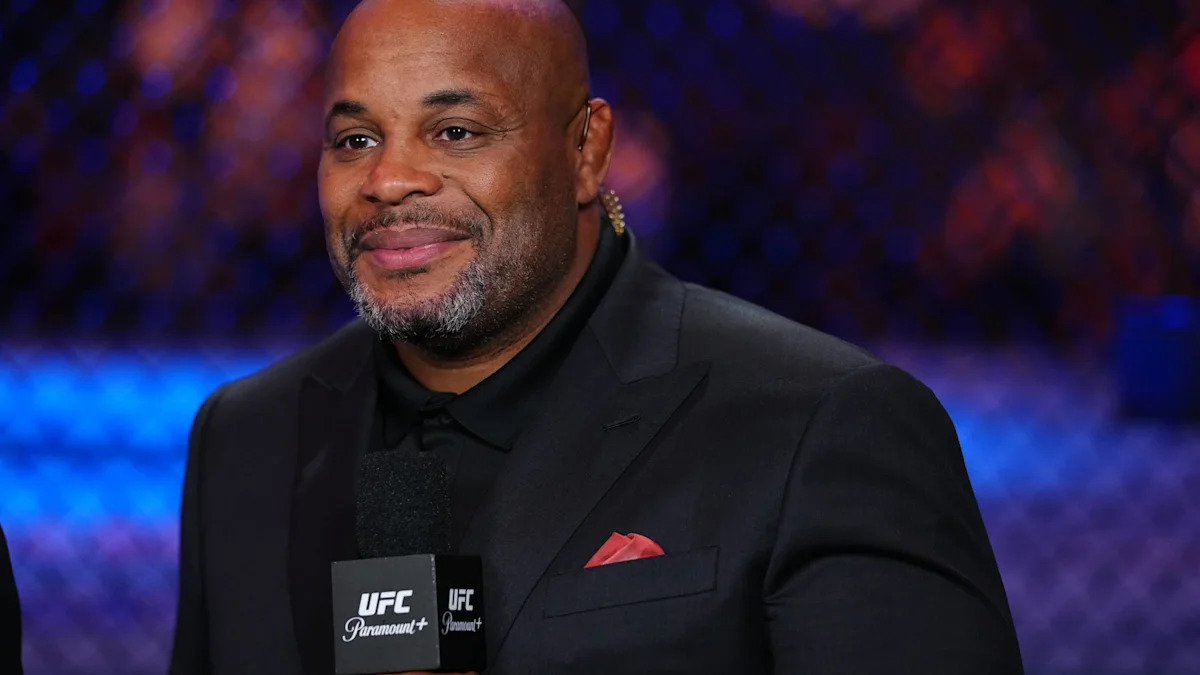
Daniel Cormier, once a celebrated UFC champion and now a prominent voice in the organization’s commentary team, is the subject of mounting criticism following UFC 334 on November 14, 2026. The controversy reached a new level when a Change.org petition, launched the next day, swiftly gained traction with nearly 7,000 signatures by November 17, calling for Cormier’s removal due to alleged bias and lack of focus during broadcasts.
The petition, widely circulated within the MMA community, accuses Cormier of favoring certain fighters in his commentary, going off-topic, and at times misrepresenting the action inside the Octagon. The description alleges his calls are “biased, unfocused, and not accurate to what is going on during the fight.” As the petition gathered support online, the UFC has thus far neither commented nor indicated any plans to change its broadcast lineup.
The outcry is not limited to fans. Fighter Dominick Reyes, speaking after his win at UFC 333 in late October, publicly derided Cormier as a “low-IQ hater” and challenged the factual accuracy of his on-air analysis. This is not the first instance of dissatisfaction from fighters: in 2024, Charles Johnson criticized Cormier over calls he believed unfairly favored an opponent during UFC Vegas 85 broadcasts.
Defenders of Cormier, however, have come forward. Jon Anik, Cormier’s veteran broadcast partner, responded to the backlash by underscoring Cormier’s deep knowledge of the sport and his positive influence on the commentary booth. Anik suggested that while criticism is inevitable in such a public role, the strength and expertise Cormier brings to the team are being overlooked amid the current controversy.
Despite the growing pressure from parts of the audience and several fighters, the UFC’s position remains unchanged—no statements or actions have been taken addressing the petition, nor have the specific allegations of bias been publicly acknowledged by the promotion. The active petition and ongoing community debate highlight how the role and style of cage-side commentary remain a charged topic for fans of the sport, reflecting broader conversations on impartiality and professionalism in sports media.
With the organization silent, and conversations within both fan and fighter circles ongoing, it is unclear if the current wave of criticism will lead to changes in the UFC commentary booth or signal the start of a broader reassessment of broadcast standards within MMA’s flagship promotion.