
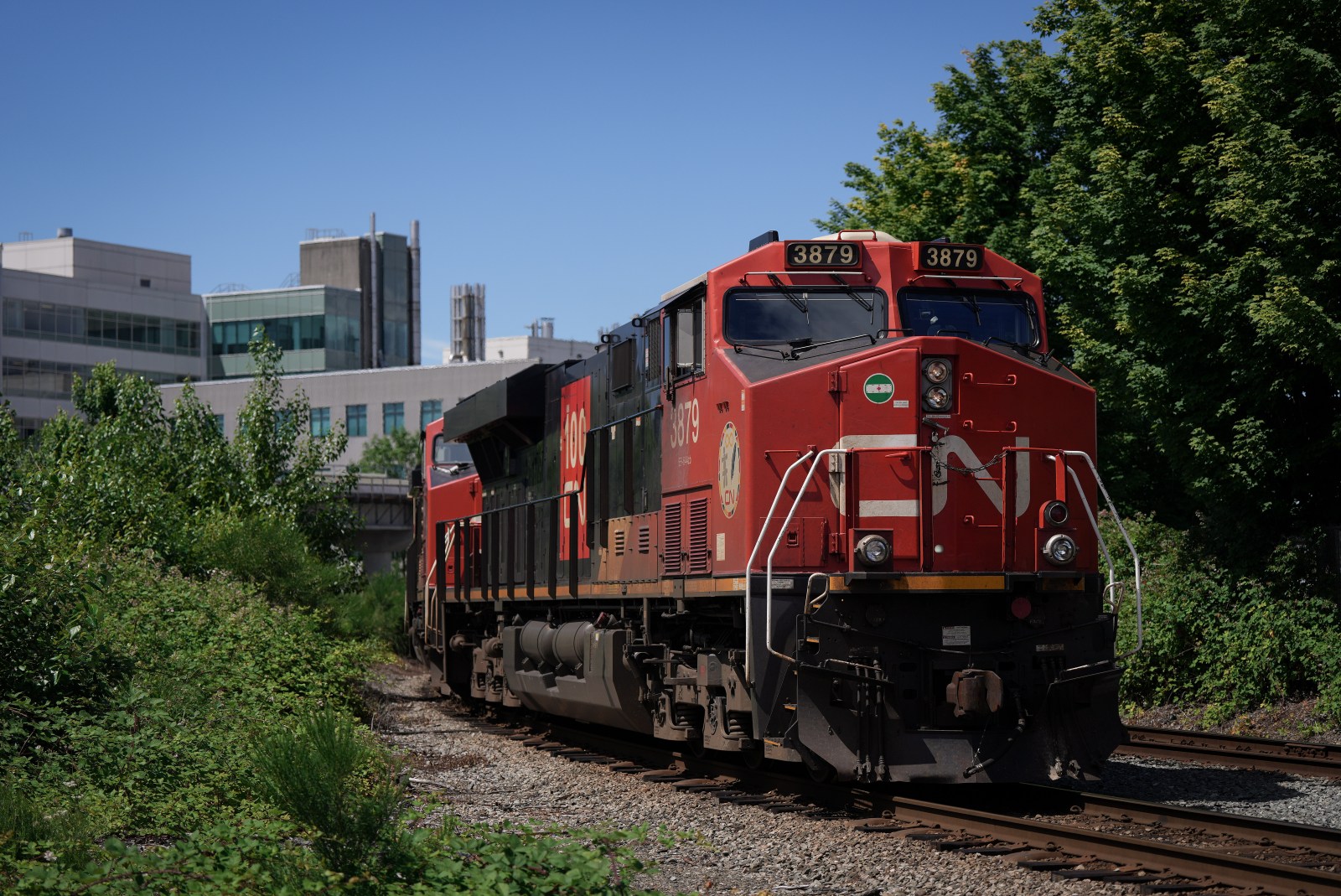
A Canadian National Railway (CN) freight train derailed west of Terrace, British Columbia, on Tuesday afternoon, plunging several railcars and locomotives into the nearby Skeena River and releasing diesel fuel into one of Canada’s major salmon-bearing waterways.
The derailment occurred around 1:10 p.m. Pacific Time on November 17, approximately 15 kilometers west of Terrace, according to CN representatives and local emergency responders. Two crew members suffered non-life-threatening injuries and were hospitalized in serious but stable condition. Both were reported as stable by medical staff after the incident.
Initial statements from a CN Rail spokesperson indicated that a rockslide was the apparent trigger for the derailment. The Transportation Safety Board of Canada has been notified and investigators are en route to the scene, but officials cautioned that the precise cause will remain under review pending a thorough site examination.
In total, two locomotives and five railcars left the tracks, and several entered the Skeena River. The impacted railcars were carrying containers of forest products, according to CN, and emergency crews quickly deployed to coordinate medical response, secure the area, and initiate cleanup. Firefighters, police, paramedics, and CN personnel responded to the call, with additional environmental monitoring teams mobilized as the incident unfolded.
One of the most urgent concerns is the diesel leak from a damaged locomotive’s fuel tank, which resulted in a visible spill into the Skeena. CN stated it is working with environmental specialists to contain the fuel and minimize harm, but the extent of the contamination has not yet been formally assessed. The Skeena River’s role as a key habitat for Pacific salmon underscores worries among local officials and environmental groups about the derailment’s possible long-term impacts on water quality and fisheries.
The accident disrupted highway and rail traffic in the region. Highway 16, which parallels the rail line and serves as the main road link between Terrace and Prince Rupert, was temporarily closed in both directions to facilitate emergency operations. The highway was later reopened to single-lane alternating traffic, reducing wider regional disruptions.
The area near Terrace has seen previous rail incidents, including a notable 2007 derailment near the Cheakamus River that prompted environmental reforms and industry reviews of safety protocols. This latest incident renews questions about the safety of critical transport corridors through geologically unstable terrain and the protocols for handling hazardous rail cargo in sensitive ecological regions.
As of Wednesday morning, containment and recovery efforts remained underway, with teams focused on removing derailed cars from the river and addressing lingering pollution risks. Official investigations are expected to provide further details on the causes and potential infractions in the days ahead.