
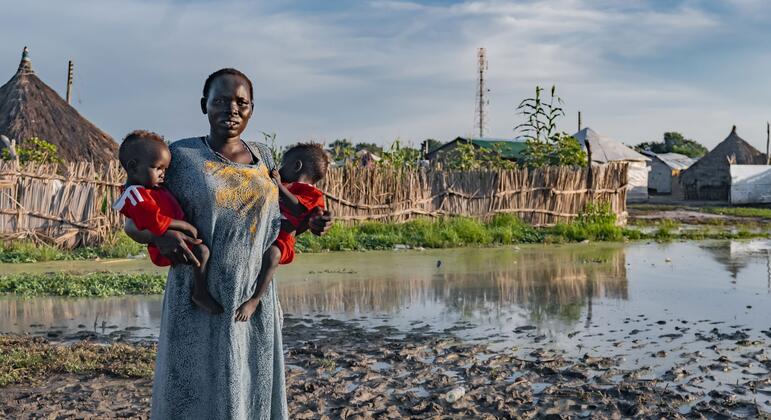
At this year’s COP31 summit in Antalya, Türkiye, the call for urgent, practical action on climate change comes with new gravity for women and girls—especially in nations least responsible for the crisis. According to a UN Women fact sheet released at the conference, more than 1.5 billion women and girls now live in “climate hotspots,” exposed to compounding dangers such as cyclones, droughts, and economic instability.
Projections warn that, under a worst-case scenario, up to 141 million additional women and girls could be pushed into extreme poverty by 2050 due to climate change. This toll is not spread equally: those in the poorest countries, who have contributed the least to global emissions, are at the sharpest end of cascading climate shocks. UN analysts highlight how women are already leading climate responses in workplaces and communities, yet still lack access to essential resources, decision-making power, and protection for their rights.
Widening Gaps: Income, Health, and Safety
Temperature increases threaten to drive a wedge deeper: evidence from 24 countries shows that each 1°C rise in average temperature results in women losing 34% more of their total income than men—often because established gender roles restrict their ability to shift from agricultural jobs as climate disasters ruin harvests. Unpaid care burdens also rise, ranging from collecting water during droughts to nurturing family after disasters. These strains intensify existing gender-based inequalities.
Climate change doesn’t just hurt household economies. Across 14 countries studied, extreme drought was linked to a 21% higher risk of sexual violence against adolescent girls and young women. The likelihood of child marriage grows in arid regions—of 46 countries analyzed, more than half showed higher child marriage rates where climates were drier. Meanwhile, 326 million women and girls lack access to electricity, even as energy demand soars with the global rollout of technologies like artificial intelligence.
Public Health Setbacks and Gendered Impacts
The World Health Organization (WHO) warns that the climate crisis is now a core driver of public health emergencies—heat waves, wildfires, floods, and storms are more frequent and severe, and nearly 3.6 billion people live in highly susceptible areas. Premature deaths, malnutrition, and a steep climb in both infectious and mental health conditions are already being recorded, with further escalation expected. IPCC research and WHO analysis point to gender as a key axis of vulnerability: women face greater exposure to factors like extreme heat and air pollution, especially during pregnancy, which is linked to higher risks of preterm birth, stillbirth, and maternal complications.
In Cambodia, for example, the national Gender and Environment Survey reported in 2026 that 77% experienced worsening mental health tied to slow-moving climate hazards, with women and girls more likely to suffer. In China, a study of over 6 million births showed a measurable spike in preterm deliveries during periods of high heat stress. Across rural communities worldwide, women endure greater food insecurity from climate-fueled agricultural crises, complicated by the nutritional demands of pregnancy and breastfeeding.
Barriers to Adaptation and Leadership
Despite rising acknowledgment of these risks—73% of countries now reference women and girls in their climate plans—glaring gaps remain. Only a third of national plans address these issues comprehensively. Women are still largely excluded from policy and financing arenas: they hold just 12% of government energy portfolios, and only 4% of international climate-focused aid makes gender equality a primary goal. This lack of representation and targeted support is mirrored in persistent violence against women environmental defenders, ranging from harassment to lethal attacks.
Local innovations and public health measures show some paths forward. Fiji’s climate policy explicitly integrates gender into adaptation and mitigation strategies; in the Solomon Islands, the SAFENET project is scaling up medical and legal aid for women facing violence during emergencies. And yet the overall evidence points to a crucial need for more robust financing, policy synchronization, and the collection and use of gender-specific health data.
The Unanswered Questions at COP31
Officials and international organizations now urge that gender equality and women’s participation be placed at the heart of climate action, not only as a moral imperative but as a practical necessity. The WHO’s new policy brief presses for better integration of gender and health in climate policy, while UN Women calls on governments to guarantee women’s rights to a safe environment and to build resilient, gender-responsive health systems.
The central unanswered question remains: as political leaders debate national interests, will the implementation of climate adaptation—on the ground, in budgets, and in boardrooms—keep pace with the evidence of these deepening, gendered divides? Women and girls, who so often bear the brunt of a crisis they did not cause, remain poised to lead adaptation—if and when their rights, voices, and resources are secured.