
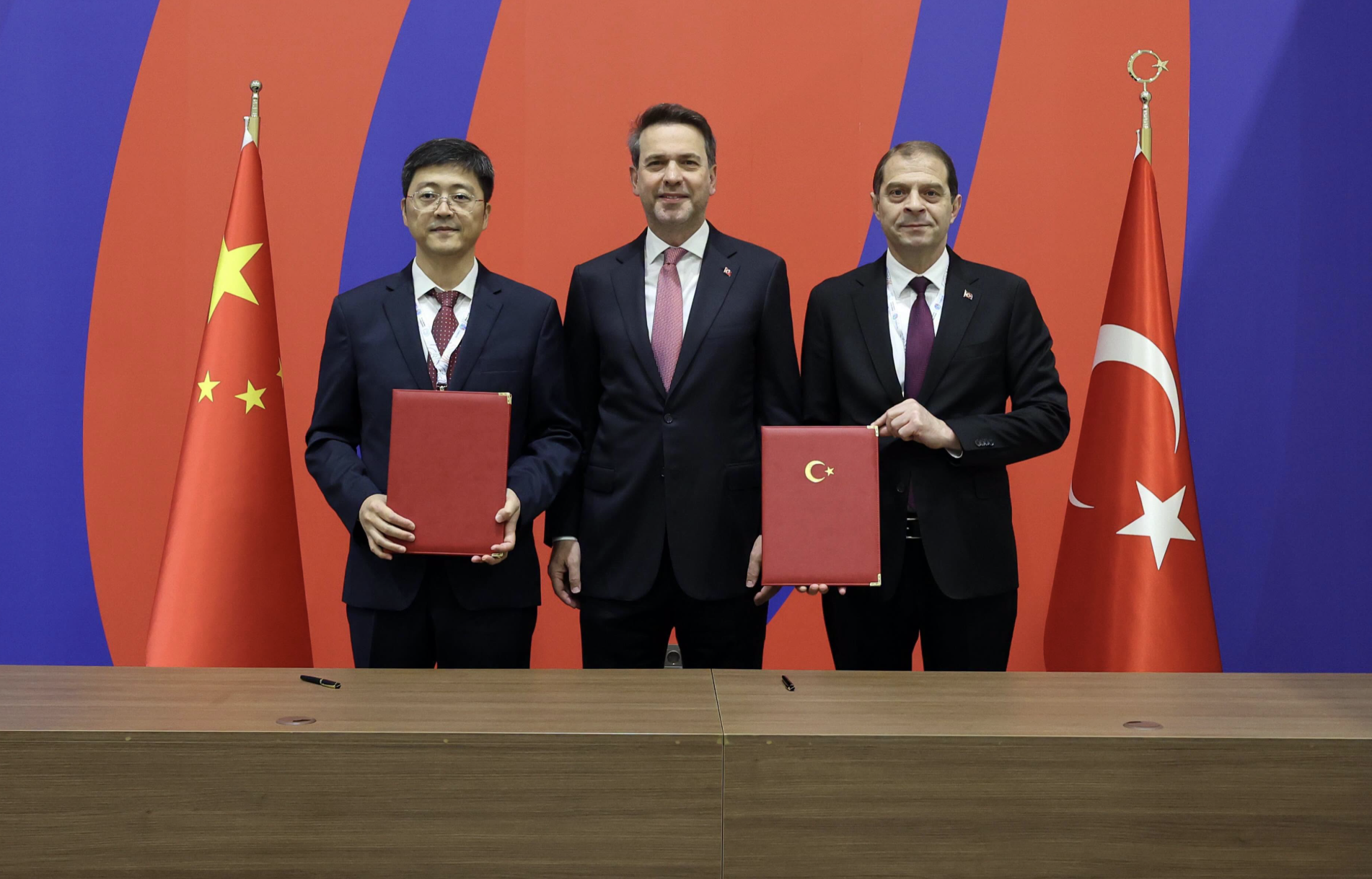
China and Türkiye have announced a landmark memorandum of understanding (MoU) for renewable energy investments worth approximately $15 billion, signed at the COP31 climate summit in Antalya on November 12, 2026. The agreement, reached by Türkiye’s Ministry of Energy and Natural Resources and China’s National Energy Administration, promises transformative growth in the Turkish clean energy sector—but leaves some critical implementation details unresolved.
Aimed at developing roughly 7,000 megawatts (MW) of combined solar and wind capacity, the MoU also covers the roll-out of new energy storage systems and 4,000 MW of electricity transmission infrastructure. According to official summaries and sectoral reports, the partnership will promote technology transfer and the domestic manufacturing of wind turbine equipment in Türkiye, potentially strengthening local supply chains and industrial know-how.
The cooperation is intended to align with Türkiye’s National Energy 2040 vision, which sets a strategic target of reaching 175 gigawatts (GW) of installed solar and wind capacity by the end of the next decade. Turkish officials describe the deal as a substantial step toward that long-range goal, particularly as global competition for renewable investment intensifies.
While the overall scale of investment and sectoral focus is clear, the MoU remains at a preliminary stage. Neither side has disclosed specifics such as project locations, detailed financing structures, or participating companies. Likewise, a binding timeline for project development has yet to be established. As of November 20, sources confirm that the projects are in the planning phase, pending further negotiation and detailed contracting.
Historically, collaboration in the energy sphere between China and Türkiye has grown steadily, spanning power generation, transmission, and advanced battery technology. This agreement is widely seen as both a continuation and an expansion of that trend into large-scale infrastructure, reflecting shared interests in technology exchange and domestic industrial development.
Independent observers note that major diplomatic and commercial undertakings of this scope often face hurdles at the subsequent implementation phase. For now, the MoU stands as one of the most high-profile investment announcements to emerge from COP31, marking Türkiye’s intent to accelerate decarbonization and China’s ongoing drive to export clean tech expertise and capital. Industry and environmental stakeholders are watching closely for concrete project timelines and further contractual commitments in the months ahead.
What Comes Next?
Full realization of the $15 billion vision will depend on future decisions about project siting, financing mechanisms, and the formalization of binding agreements. The progress of this initiative will signal both countries’ practical commitment to international energy transition goals, as well as Türkiye’s evolving role in the regional clean power landscape.