
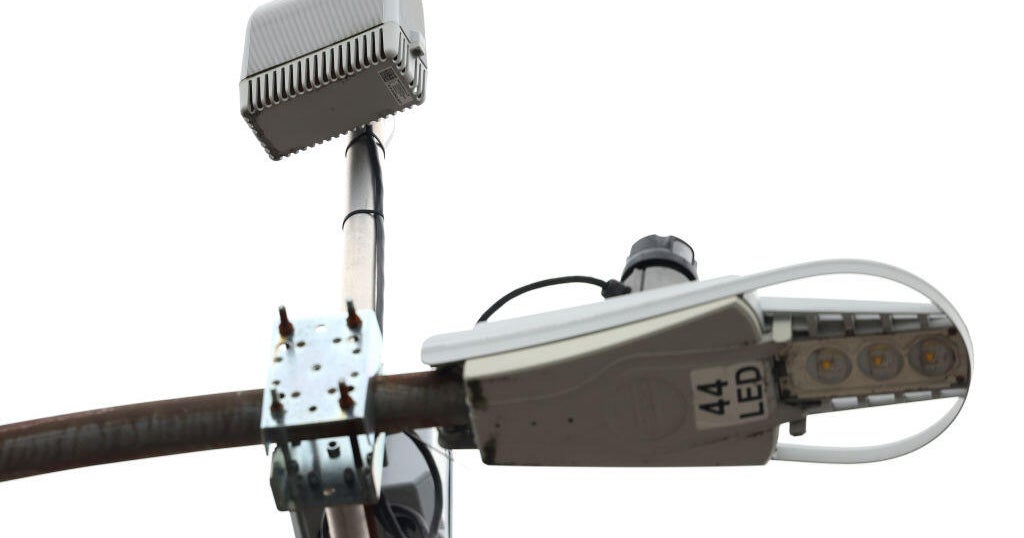
After a contentious split from the ShotSpotter gunshot detection system, Chicago is preparing to launch a wide-ranging public safety technology pilot that could reshape law enforcement tactics and public trust in surveillance. The program, expected to begin January 1, 2027, is drawing scrutiny and anticipation as city leaders weigh the merits and risks of sophisticated new tools—including AI-powered gun detection cameras.
From ShotSpotter to AI: Changing Course
Mayor Brandon Johnson ended Chicago’s relationship with ShotSpotter in September 2024, citing doubts about its reliability and its impact on heavily policed communities. In its place, the city is charting a new technological direction. A citywide referendum in November 2026 revealed over 72% of voters now want police to use gunshot detection technology again, rekindling the debate over how technology can best help address Chicago’s persistent gun violence.
ZeroEyes and AI Gun Detection Under Review
Prominently in the mix is ZeroEyes, an artificial intelligence platform designed to visually detect brandished firearms through security camera feeds. Already deployed in places like Navy Pier and piloted by the Chicago Transit Authority since August 2024, ZeroEyes’ system reviews video for visible guns, forwarding questionable images to trained analysts. When confirmed, the company sends real-time alerts directly to law enforcement. According to Navy Pier’s security leadership, the system has offered actionable alerts that allowed for rapid responses, fueling calls to expand the technology elsewhere.
What Will Be Tested?
The upcoming pilot, set to last six months, will operate in six Chicago Police Department districts that include some of the city’s South and West Side neighborhoods. Alongside AI gun detection, the city intends to evaluate a broader suite of technologies: drones, automated license plate readers, and additional AI-driven surveillance tools. However, details remain in flux—officials have not yet disclosed the full roster of vendors or technologies, and the pilot’s detailed operational blueprint has not been finalized as of mid-November 2026.
City Council and Public Divide
The Chicago City Council has raised concerns about transparency and oversight of the new initiative. Some council members are demanding greater clarity about which technologies will be used, how data will be handled, and how success will be measured. Their questions reflect broader public unease: while a recent survey found 69% of Chicagoans believe gun detection would speed up police response, only 52% think it would reduce gun crimes and many fear misuse or false alerts leading to wrongful arrests.
What Comes Next?
As the pilot approaches, city officials face pressure not only to choose effective and equitable technologies but to be more transparent with the public and the council regarding their plans. The six-month experiment, if judged successful, could signal a long-term change in Chicago’s approach to public safety—one that blends technology with reform-minded oversight. Until the city announces its final vendor list and concrete program details, however, questions about both efficacy and accountability are likely to persist.