
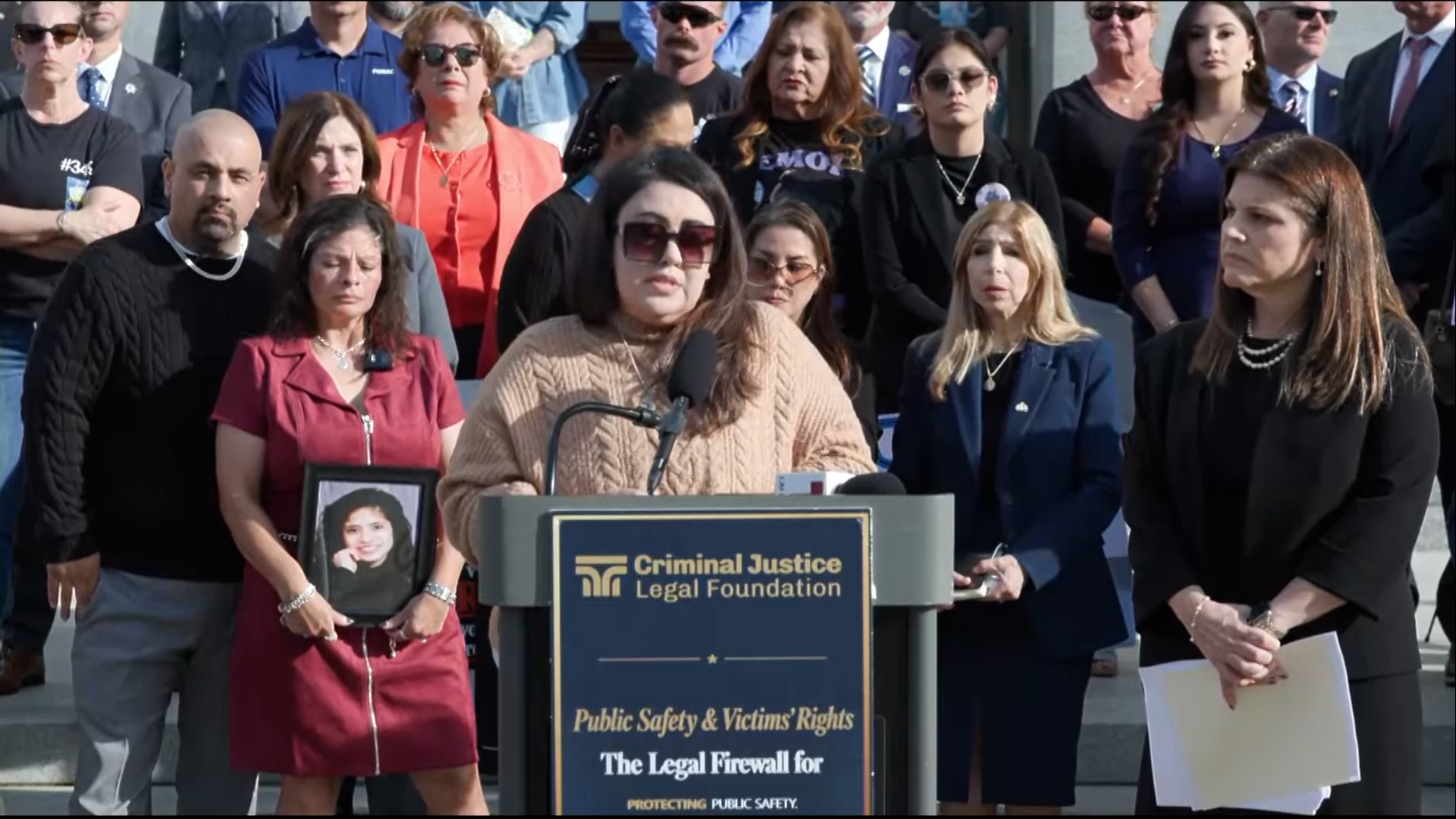
California’s boldest confrontation with its death penalty laws reached a turning point on November 16, 2026, when a coalition of prosecutors and victims’ families formally petitioned the California Supreme Court to block Governor Gavin Newsom’s historic commutation of all 548 death sentences to life without parole.
The legal challenge, filed by the Criminal Justice Legal Foundation with backing from district attorneys and the support of numerous victims’ advocates, alleges that the governor’s sweeping clemency move violates constitutional limits on executive power and disregards the wishes of voters who have repeatedly upheld the death penalty at the ballot box. The petition notes that under California’s constitution, any commutation for individuals twice convicted of felonies must be recommended by at least four Supreme Court justices—a process Newsom initiated but which remains unresolved as of mid-November.
Governor Newsom’s announcement on November 5 marked a dramatic expansion of his 2019 moratorium on executions, with the current action—if enacted—representing the largest single commutation of death sentences in U.S. history. In official statements, Newsom has described his decision as a reaffirmation of principles of justice and a rejection of capital punishment, though his office acknowledges that the commutations would not result in the release of any inmates. Instead, each case would be converted to life imprisonment without the possibility of parole, effectively ending capital punishment for those affected.
The announcement has opened deep divisions within Californian communities. Many families of murder victims, including some featured in public statements, have condemned the governor’s actions as a betrayal and a new source of pain. Sandy Friend, whose son was murdered in 1996, described the move as inflicting “soul-hurting pain” and eroding the meaning of jury verdicts and appeal outcomes. Leading district attorneys—among them Los Angeles County’s Nathan Hochman—have joined the legal effort, emphasizing the importance of both constitutional checks on gubernatorial power and the right of victims’ families to see jury-imposed sentences carried out.
Yet the controversy is not universally one-sided: some families of victims have supported the commutations, citing opposition to the death penalty and hopes for closure after years of legal uncertainty. These competing perspectives underscore the moral and legal complexity of clemency in capital cases, as well as the enduring public divisions over the death penalty in California, where voters rejected repeal measures in both 2012 and 2016.
As of November 16, the Supreme Court had not issued a decision but set a briefing schedule to assess the constitutionality and process of the commutations, with additional legal arguments due by November 24. Until the court renders its judgment, the fate of hundreds on death row—and the future of capital punishment policy in the nation’s most populous state—remains suspended in legal and political uncertainty.