
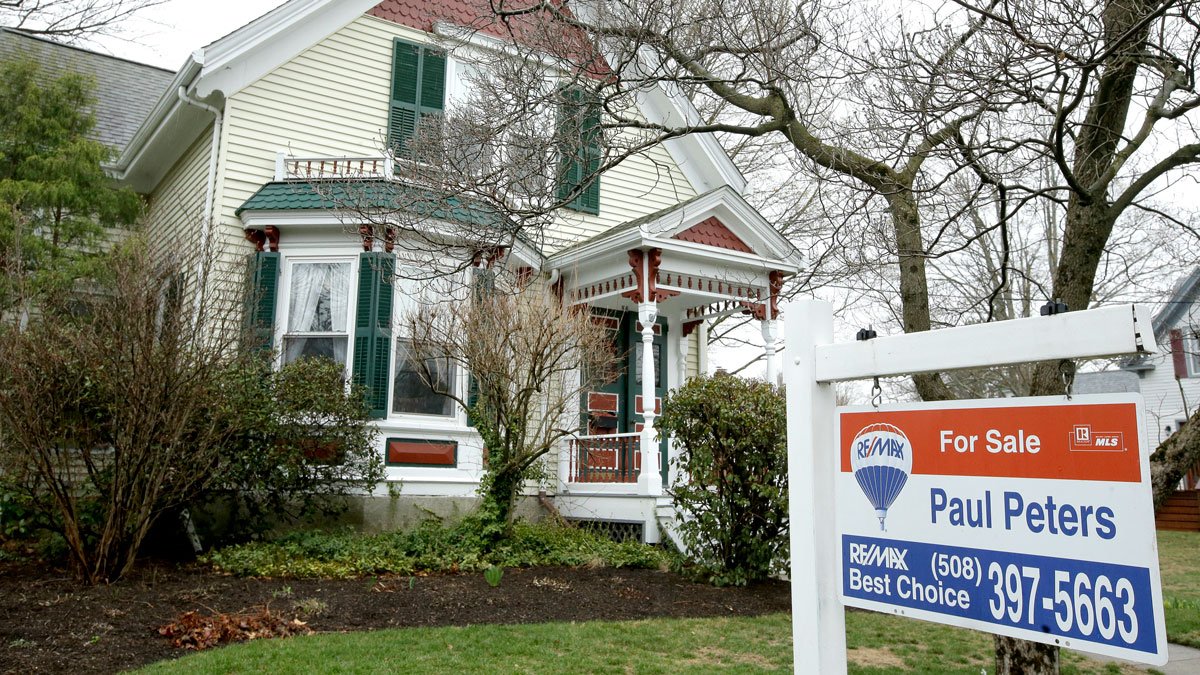
California’s real estate market recorded its sharpest downturn in years this October, with home sales statewide plunging to their lowest point since early 2024. Southern California saw the steepest contraction, deepening concerns about housing affordability and market stability across the region.
The latest data from the California Association of Realtors (CAR) revealed that sales of existing single-family homes dropped to 246,830 units in October 2026. This marks a 5.2% decline compared to September and a 12.7% drop from October 2025. The downturn was particularly acute in Southern California, where transactions fell 18.9% year-over-year, according to regional figures cited by NBC Los Angeles.
High Mortgage Rates Compound Affordability Crisis
One of the most significant contributors to the slowdown has been the surge in borrowing costs. The average 30-year fixed mortgage rate reached 7.33% in October—substantially higher than the 6.25% average a year earlier. This escalation in monthly payments has strained buyers already challenged by elevated home prices, pushing the dream of homeownership further out of reach for many households.
These affordability concerns, coupled with broader economic uncertainty, have discouraged both prospective buyers and sellers, slowing activity throughout the state. While housing sales typically moderate in autumn, this year’s drop is well outside the normal seasonal pattern, industry figures suggest.
Enduring Uncertainty for Buyers, Sellers and Policymakers
“The housing market remains subdued, with sales continuing to lag behind historical trends,” the California Association of Realtors noted in its latest report. The agency has not released figures beyond October, but market watchers expect the challenging conditions to persist into the winter months unless there is a meaningful decline in borrowing costs or a shift in the state’s economic outlook.
While recent history provides little reassurance—Southern California home prices fell to their lowest since March 2024 last winter—analysts remain divided on how quickly, or even if, the market can rebound. The depth of the current slump reflects both the power of rising interest rates on demand and broader uncertainties still rippling through the California economy.
For now, an end to this housing market drought remains unclear. Buyers and sellers are left waiting, watching, and hoping for a shift—either from the Federal Reserve or from changing economic winds—that could tip the balance back in favor of a more active and accessible real estate market.