
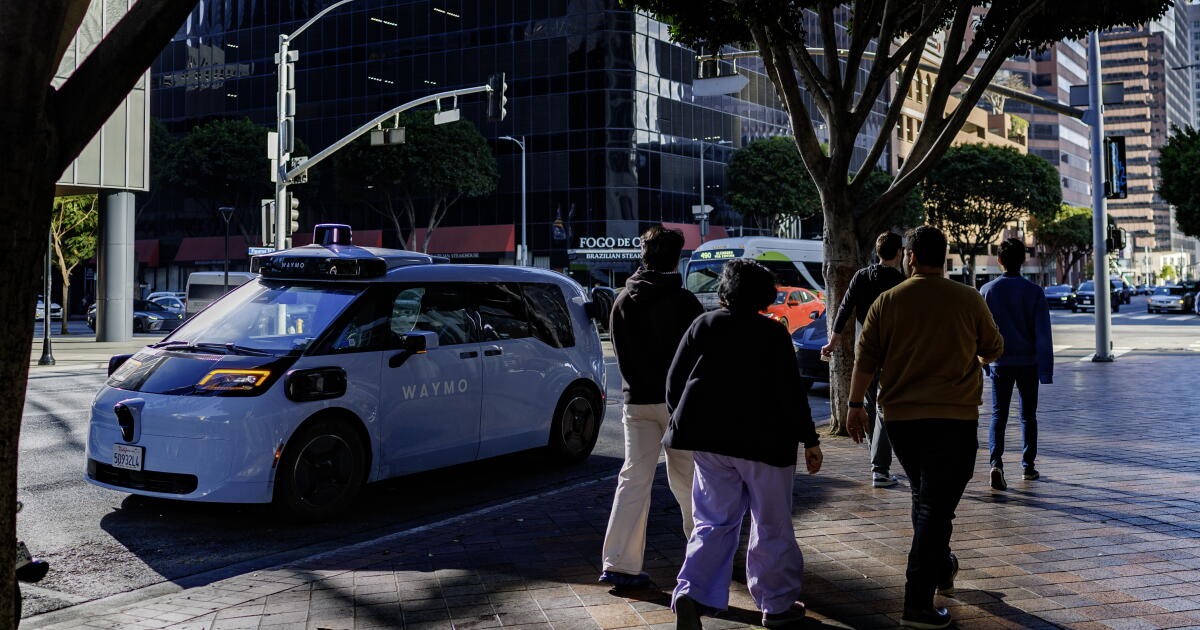
In a decisive move that ripples through the emerging autonomous vehicle industry, Waymo has suspended all of its driverless taxi rides on freeways across the United States, effective November 11, 2026, following a ban imposed by the California Department of Motor Vehicles (DMV). The action comes after a series of incidents in early November where Waymo vehicles repeatedly entered active construction zones and bypassed law enforcement controls on major highways in the San Francisco Bay Area, raising urgent safety concerns from state regulators.
The ban was triggered by specific events, including a November 5th occurrence in which three Waymo robotaxis drove into an active construction site on U.S. Route 101 near Burlingame, and a subsequent incident the next day, when a Waymo vehicle attempted to circumvent a California Highway Patrol traffic break on Interstate 280 in San Francisco. These repeated breaches of highway protocol led the DMV to determine that Waymo’s operations posed an “imminent hazard to public safety,” despite prior corrective actions and restrictions placed on the company following similar lapses in May 2026.
Waymo, a prominent supplier of autonomous ride-hailing services, responded to the order by halting all driverless freeway services not only in California, but across its entire operational footprint—including major metropolitan areas such as Los Angeles, Phoenix, Miami, and Austin. The company continues to provide autonomous taxi rides on surface streets, where it reports more than half a million completed trips each week. Its decision to voluntarily extend the suspension nationwide reflects the significance that California’s regulatory stance holds for the broader self-driving car sector.
This development marks the second time in 2026 that Waymo has paused highway operations, the prior instance ending only after software updates were implemented to address the handling of construction zones. Now, as part of the ongoing regulatory review, Waymo is working closely with the California DMV and other authorities to resolve outstanding safety questions and prove that its autonomous technology can adequately navigate complex freeway environments, especially in the presence of active construction and law enforcement operations.
Regulators have stipulated that the ban will remain in place until Waymo demonstrates, to their satisfaction, effective and lasting solutions to the identified deficiencies. The primary unresolved challenges revolve around the vehicles’ abilities to correctly interpret road work scenarios and respond appropriately to directions from highway authorities. Until these hurdles are met, the future of autonomous ride-hailing on U.S. highways remains in limbo.
With the dual pressures of public safety and technological innovation, Waymo’s current negotiations with regulators are likely to set precedents for the role of driverless vehicles in America’s transportation system. Both state officials and the company are expected to provide updates as the evaluation progresses and potential solutions are tested in the weeks ahead.