
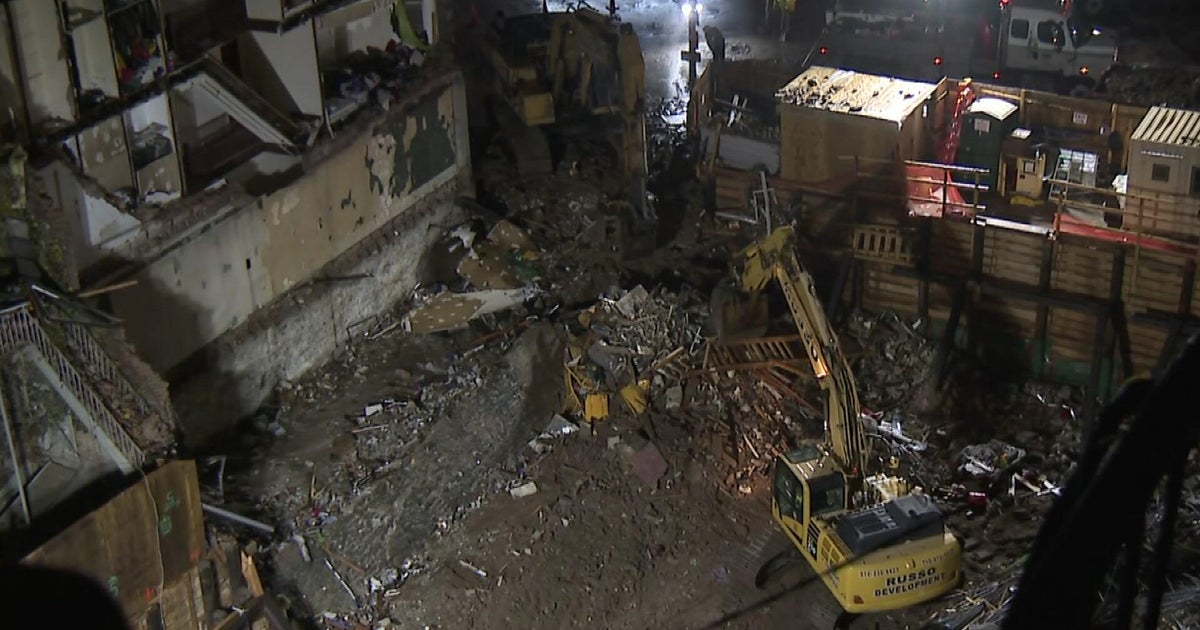
A three-story mixed-use building at 1321 Flatbush Avenue in Brooklyn’s Flatbush neighborhood catastrophically collapsed into an adjacent excavation site on the afternoon of November 11, 2026. The collapse killed eight people, including two children, and injured eighteen more in one of New York City’s deadliest recent incidents involving private construction and residential infrastructure.
The structure—built in 1930 and home to both residential units and a ground-floor business—plunged abruptly at approximately 4:00 PM local time. According to city officials, the collapse occurred as crews nearby continued excavation work for a planned nine-story development at 2625 Bedford Avenue. Investigators are examining whether the ongoing work undermined the older building’s foundation.
Among the deceased were two children, aged nine and ten. Four firefighters sustained injuries during the response, and one person remains in critical condition. Rescue operations, which included the New York City Fire Department (FDNY), the Department of Buildings (DOB), and police, concluded the following day with all victims accounted for. Vacate orders have since been issued for three neighboring buildings deemed unsafe.
History of Violations and Regulatory Lapses
The affected building’s history is marked by 98 open violations, including hazardous conditions such as exposed wiring and defective fire-retardant materials, according to the DOB. The adjacent construction site was subject to a stop-work order in March 2026 for failing to safeguard neighboring properties, but work resumed after contractors paid a $10,000 fine. Although permits were in place for a smaller project, developers had filed—but not yet received—approvals to expand to a nine-story building.
Investigators are now scrutinizing these patterns of enforcement and compliance. Representatives from the DOB, FDNY, NYPD, and Brooklyn District Attorney’s Office have all indicated that the scope includes oversight of the excavation practices and the broader regulatory landscape that allowed construction to proceed with unresolved violations. While the precise cause of the collapse remains under investigation, early analysis points to excavation destabilizing the older structure—an issue with clear historical precedent in New York City’s rapidly developing neighborhoods.
Implications for Urban Safety
The tragedy has reignited concerns about the effectiveness of city oversight, especially in historically vulnerable, aging buildings. Housing advocates and experts note that repeated safety and code violations, coupled with aggressive real estate development, are putting tenants and workers at risk.
As families mourn and investigations unfold, the Flatbush collapse stands as a harsh reminder of persistent regulatory failures and the deadly consequences when safety lapses intersect with unchecked construction booms in New York City’s neighborhoods.