
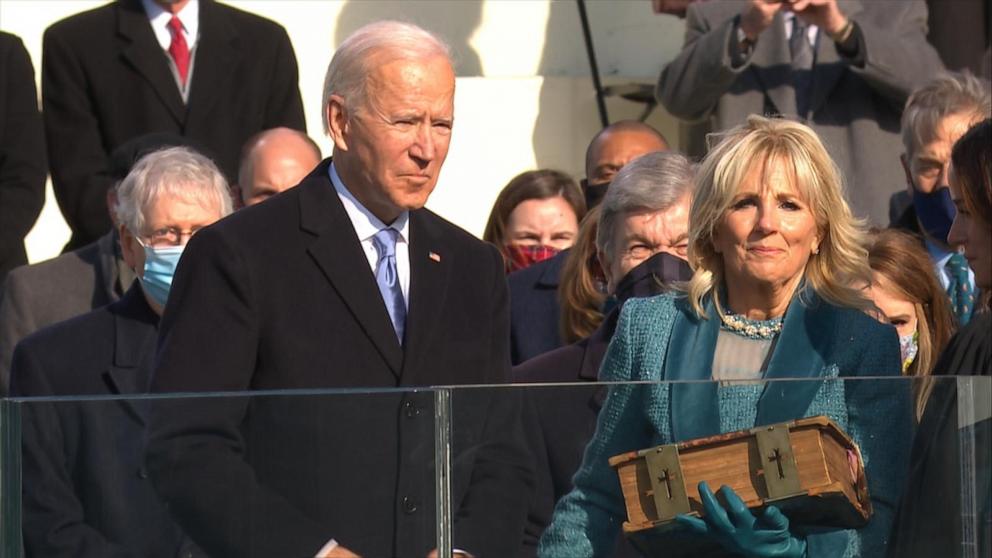
When President Joe Biden released his memoir, “Promise Me, America,” on November 17, 2026, readers found a revealing glimpse into the behind-the-scenes exchanges that sometimes bridge partisan divides in Washington. The memoir recounts an episode from May 2022, in which Republican Senator Mitt Romney offered Biden a surprising piece of personal advice: to “pump your arms” while walking, projecting greater energy and confidence during public appearances.
The suggestion emerged during a private White House tour, according to Biden’s account. In a simple gesture, Romney encouraged the President—then facing persistent scrutiny about his vigor due to age—to alter his walking style. Biden acknowledged the comment as “good advice” and, according to his own retelling, made efforts to implement the recommendation as he navigated public events and appearances.
This anecdote, featured in a chapter focused on the realities of constant public attention as President, underscores how concerns over optics can transcend party lines. The encounter between the Democratic President and the Utah Republican, himself a former presidential nominee, highlighted a moment of informal, practical support, even as substantive policy divides often dominate headlines.
The inclusion of the story in “Promise Me, America” is already drawing attention in Washington and the media, reflecting wider conversations about age and leadership. While neither the White House nor Romney’s office have issued additional public statements regarding this specific episode, its documentation in the President’s own words marks it as a notable footnote to his tenure. There are no reports disputing the content of the memoir or the authenticity of the exchange as relayed by Biden.
As discussions about the demands of presidential leadership and public image persist, Biden’s openness about both receiving and acting on advice from across the aisle offers a rare view of the personal, human layer beneath the highest levels of government. The memoir, widely covered since its publication, is expected to spark ongoing debate about the measures leaders take—privately and publicly—to shape how they are seen by the nation they serve.