
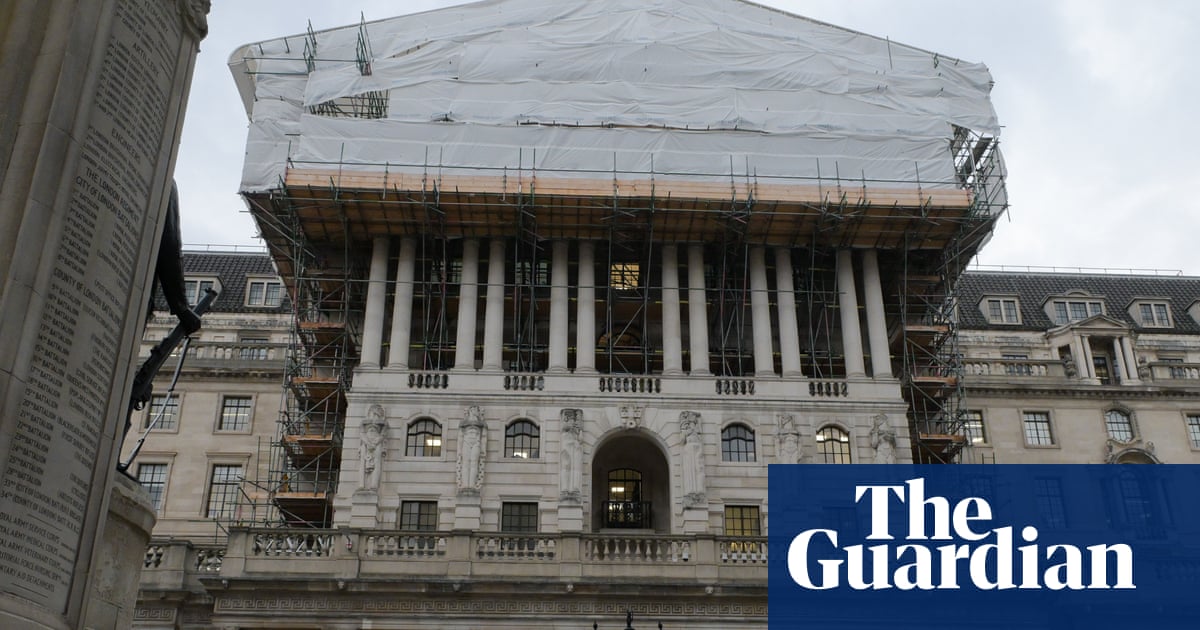
LONDON, November 15, 2026 — The Bank of England’s Monetary Policy Committee voted decisively on November 5 to increase the Bank Rate from 3.75% to 4%, marking its first rate hike in over three years and sending a fresh signal of concern over rising inflation. With the effects of global energy price shocks rippling through the UK economy, households are already feeling the early impact through higher mortgage rates and borrowing costs.
The decision, supported by an 8–1 majority on the MPC, follows several months of mounting price pressures, which the Bank directly attributes to increased energy costs driven in part by ongoing conflict in the Middle East. According to the official policy summary, inflation is now projected to climb to around 5% by the middle of 2027 before receding—significantly above the Bank’s 2% target. The Bank of England’s next scheduled monetary policy meeting is on December 17, when the trajectory of future hikes will again come under scrutiny (Bank of England).
Households Face Immediate Financial Strain
This rate rise is rippling swiftly into everyday financial life. Since the announcement, mortgage lenders have lifted two- and five-year fixed rates to about 6%, squeezing households that had grown accustomed to historically low borrowing costs. According to consumer finance analysts, the full effect on spending and budgets will become clearer over the next quarter as remortgaging households and new buyers come to terms with higher repayments (RemortgageSaver; MoneySavingExpert Blog).
While some public commentary described the increase as a surprise, central bank officials and many independent economists had signaled for several months that a rate hike was likely if inflation kept accelerating. The Bank’s minutes also stress that future moves will depend on data: “The MPC will continue to monitor inflation trends and the global economic environment before making additional adjustments.”
Uncertainties Ahead for Policy and Consumers
The Bank of England faces a delicate balancing act. With the international energy market destabilized by war and commercial disruption, authorities cannot forecast the precise course of inflation for the coming year. The central bank’s actions, while intended to curb inflation and maintain stability, could further tighten household finances just as economic growth shows signs of slowing (The Guardian).
The policy committee, acknowledging the uncertainty, has made clear it will weigh incoming data on inflation, employment, and growth before issuing another rate decision. For many UK households, this means uncertainty over how far—and for how long—expenses linked to interest rates, such as mortgages and loans, will rise.
The Bank’s next steps, and their impact on households, remain firmly tied to the volatile path of global energy prices and the subsequent effects on the UK’s inflation profile. With the cost-of-living crisis still fresh in public memory, all eyes will now be on December’s monetary policy meeting.