
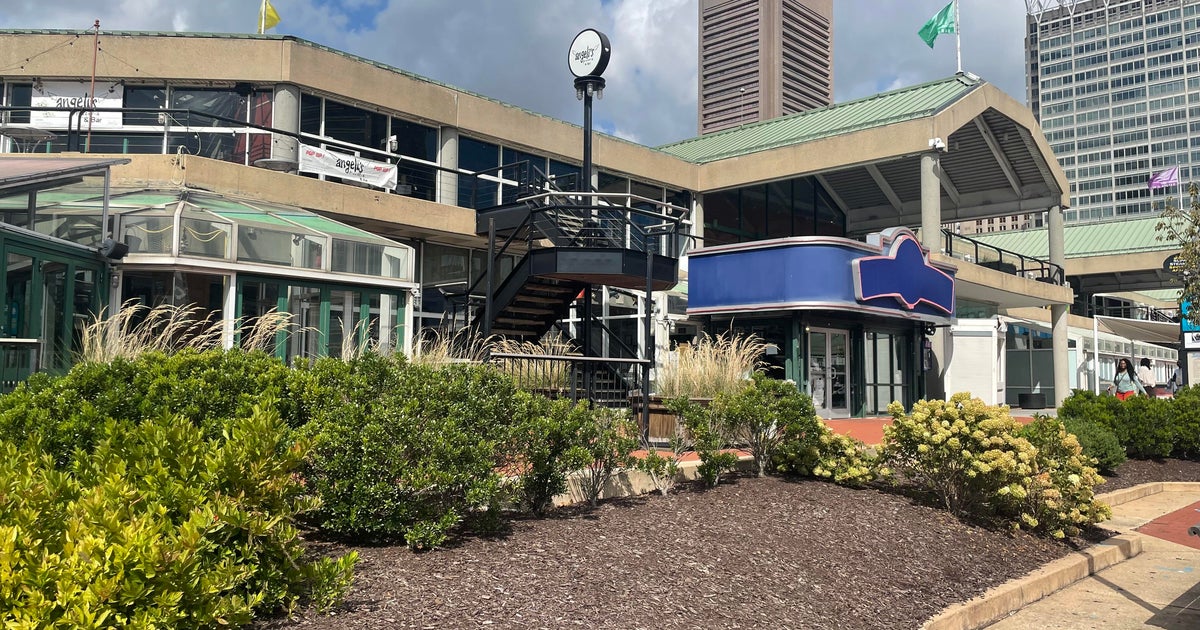
Baltimore’s efforts to rescue its once-bustling Inner Harbor took a dramatic step forward on November 19, when Mayor Brandon Scott announced an agreement with developer MCB Real Estate for the long-awaited Harborplace redevelopment. The deal, which includes a quarter-century Payment in Lieu of Taxes (PILOT) package, promises to reshape the city’s waterfront – but faces both legal and community scrutiny ahead of a crucial vote.
Under the terms, MCB Real Estate pledges a $10 million community benefits fund and profit-sharing, plus a binding commitment that 10% of new residential units built will be set aside as affordable housing. The project is forecast to spur $2 billion in economic activity during the construction phase alone, with city officials projecting over $35 million in tax revenues for Baltimore over the 25-year PILOT term. MCB will pay $543,000 in property taxes annually, based on current property assessments, and community groups will receive funds for youth programs, public events, and downtown improvements as part of the benefits fund.
Supporters, including Mayor Scott and MCB co-founder P. David Bramble, have pitched the agreement as both an economic catalyst and a chance to reconnect Baltimoreans with their signature waterfront, long plagued by declining occupancy—the complex approached 70% vacancy in 2022. MCB acquired Harborplace that year after years of disrepair and commercial flight, and its revitalization proposals have dominated city planning discussions since.
Yet, significant obstacles remain. In September, a coalition of Baltimore residents and businesses sued to block the planned demolition of Harborplace’s famed pavilions, arguing that the city’s deal violates local zoning rules and the city charter. The suit is pending in court. Meanwhile, the city’s Planning Commission has voted to close portions of surrounding streets – Pratt, Light, and Calvert – to enable the overhaul, though those measures await City Council review and have sparked debate over local traffic and transportation impacts.
Transparency provisions in the agreement call for annual audits of the redevelopment’s financials, to be made public through the Baltimore Development Corporation. The Board of Estimates is set to vote on December 2, the last major city hurdle before construction could begin in early 2027. Completion is targeted for the early 2030s.
As Baltimore’s most iconic commercial hub teeters between decay and reinvention, the city must now weigh the promise of transformative investment against legal uncertainty and concerns over public access. Harborplace’s future, once the focal point of Baltimore’s downtown revival more than four decades ago, is again in the balance.