
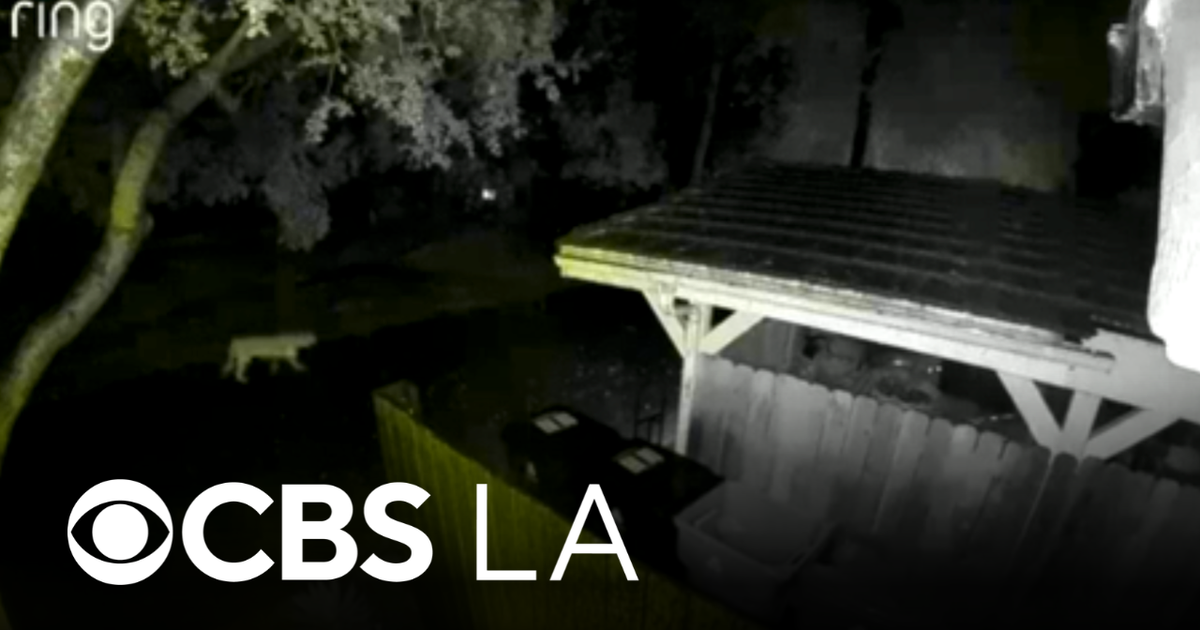
The unexpected appearance of two separate uncollared mountain lions in different neighborhoods of Woodland Hills on November 14 and 15, 2026, has sharpened concerns over urban-wildlife conflicts in northwestern Los Angeles as conservationists prepare to launch a major new wildlife corridor.
Both animals, independently caught on home security cameras within hours and a mile apart, highlight the tense intersection between expanding human communities and native wildlife squeezed by shrinking open spaces. A first sighting occurred at around 9:55 p.m. Friday on Gaona Street, near the edge of Woodland Hills Golf Course. By early Saturday morning, a second mountain lion was recorded by a security system close to the intersection of Mulholland Drive and Mulholland Highway, according to footage reviewed by the Santa Monica Mountains Conservancy (pubt.io).
Joseph T. Edmiston, Executive Director of the Santa Monica Mountains Conservancy, described the sightings as both testament and warning: “This single night and early morning concentration of mountain lion movement shows both the value of Woodland Hills habitat areas and that these magnificent animals are pressed for space.”
Mountains Pressured by Development
For decades, mountain lions have occupied the Santa Monica Mountains. Studies and ongoing monitoring by the National Park Service demonstrate that the population in this region remains stable but faces persistent dangers from habitat fragmentation due to roads, housing, and commercial expansion (nps.gov). Genetic diversity in the Santa Monica group has fallen to some of the lowest rates ever documented in the western United States—a sign of trapped, isolated populations unable to mix or expand beyond their island of remaining wildland. Analysts report that the area’s freeways and urban blocks often act as deadly barriers, resulting in vehicle impacts and inbreeding.
In response, local agencies adopted conservation plans in May 2026, aiming to preserve wildlife corridors. The pending Wallis Annenberg Wildlife Crossing—a $90 million effort expected to open in December 2026 in Agoura Hills—will allow animals to traverse the busy 101 Freeway, reconnecting ecosystems and providing essential routes for wide-ranging mammals including the storied local cougars. The schedule for the crossing’s opening and anticipated benefits have lent particular urgency to recent neighborhood sightings.
Precautions and the Path Ahead
Officials note that while mountain lion visits to built-up areas remain infrequent, residents should remain alert: children and pets are safest indoors during dawn and dusk hours, and food or trash should be secured against wildlife incursions. No evidence has emerged that either animal has threatened residents since their appearance, and as of November 16, neither has been relocated or captured by authorities.
The repeated sightings serve as a living reminder of both the ecological wonders still present on the edge of greater Los Angeles, and the mounting tensions that human expansion brings to long-established wild communities. Conservation leaders hope that new connectivity measures will reduce such incidents and support healthier, more sustainable populations for years to come.
For more on safety and long-term solutions for coexistence, regional authorities recommend guidance from the National Park Service’s mountain lion safety resources (nps.gov).