
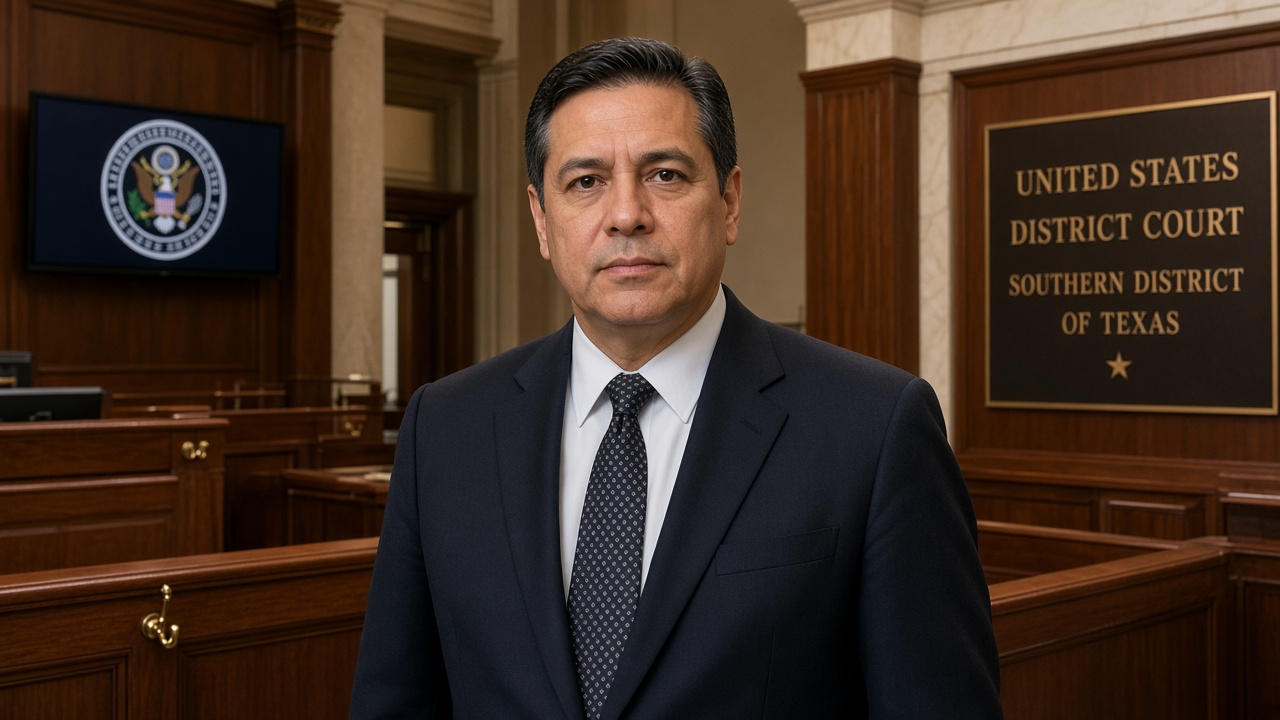
Richard Reinaldo Garcia, a 53-year-old pastor from Arlington, Texas, was convicted on November 19, 2026, of conspiracy to commit wire fraud and three counts of wire fraud after defrauding more than 70 victims across the United States and several Latin American countries of over $6 million. The verdict followed a four-day trial before U.S. District Judge Mark T. Pittman, capping years of investigation and sparking wider attention to financial exploitation in faith communities.
Prosecutors revealed during trial proceedings that from August 2021 through April 2025, Garcia solicited millions from investors by promising lucrative returns on so-called “church flipping” real estate ventures and Christian music concert promotions. Investors were told their money would finance renovations for church properties and fund events expected to yield substantial profits, but instead, Garcia redirected much of the $6 million toward personal expenses and business operations. Evidence showed that, between 2023 and October 2025, he transferred more than $200,000 annually to personal bank accounts and purchased a luxury 2023 Mercedes electric SUV. Garcia also resided in a Mansfield, Texas, home appraised at over $1.6 million.
According to the Department of Justice, Garcia used his leadership role and the trust of his congregants to lend legitimacy to the investments and encourage participation, a tactic that deepened the impact of the fraud on those who saw him as a source of guidance. The victims include individuals in the U.S., Colombia, Mexico, and the Dominican Republic, underscoring the scheme’s international scope.
The FBI has issued a public appeal for potential additional victims to come forward by completing a “Seeking Information Questionnaire” on their website, as the scale and impact of the scheme remain subjects of ongoing inquiry. So far, there is no public plan announced for restitution to those who lost funds, leaving many victims uncertain about financial recovery.
Garcia now faces up to 20 years in federal prison on each fraud count, with sentencing scheduled for March 4, 2027. His conviction adds to a growing number of high-profile cases involving religious leaders who exploit their positions for personal enrichment, prompting renewed calls for oversight and accountability within faith-based organizations.
There is no indication of conflicting reports regarding the verdict or case details. All evidence points to a coordinated scheme leveraging religious authority for large-scale financial gain. The legal outcome may serve as a warning and a lesson for both religious communities and law enforcement agencies navigating complex affinity frauds.