
Nearly three decades after Anaheim issued $510 million in bonds to support the expansion of the Disneyland Resort, the city is on the verge of a major financial transformation. With the bonds projected to be paid off by early 2027, Anaheim stands to reclaim over $120 million each year—funds that had been earmarked for debt payments since 1997.
In the late 1990s, Anaheim invested heavily in its resort infrastructure, supporting new projects including the California Adventure park and the sprawling Mickey & Friends parking structure. The long-term public borrowing strategy was billed as a catalyst for local growth and economic vibrancy. Now, as those obligations come to an end, city leaders are preparing for a sudden influx of cash into the general fund—prompting a fresh round of debate over fiscal management and policy direction.
Despite the promise of new revenue, Anaheim faces a projected $45 million deficit for the 2026-27 fiscal year, just before the windfall arrives. City documents indicate that about half the freed-up funds will be used to erase the red ink, with plans to direct the remainder toward bolstering reserves, advancing community projects, improving local services, and paying down other outstanding liabilities.
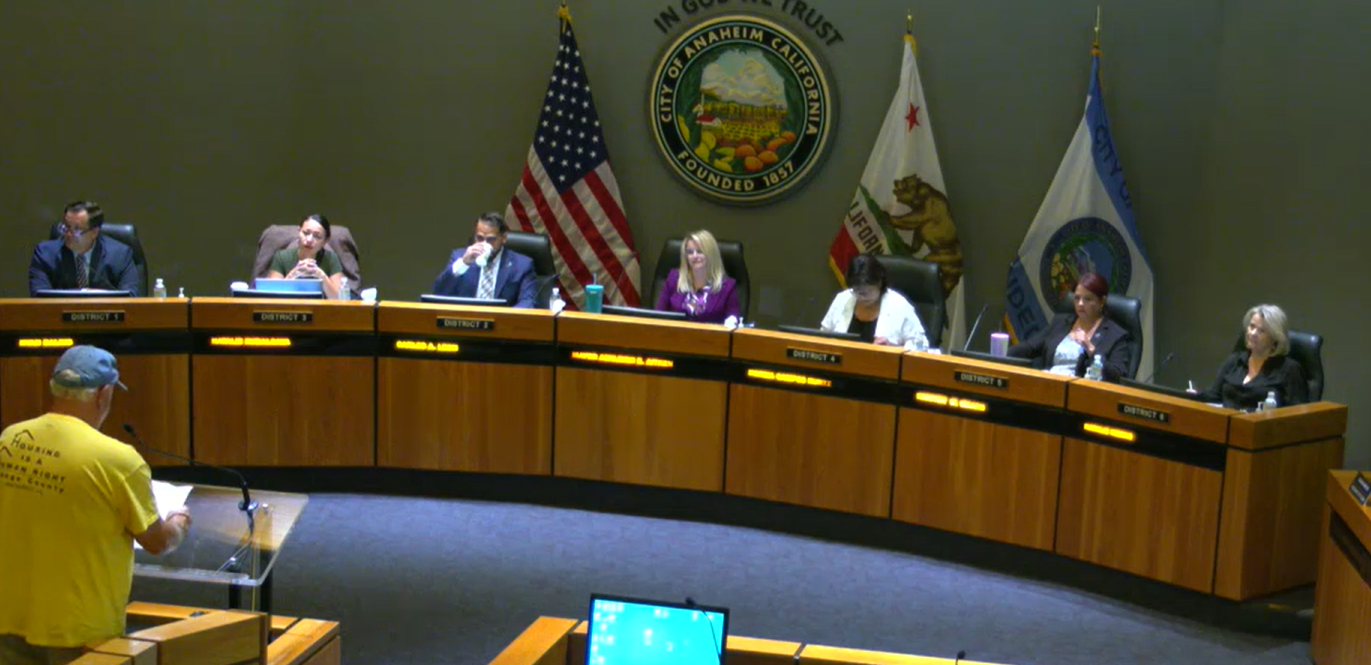
But the approach has been met with skepticism and calls for transparency, particularly following the city council’s recent approval of a nearly 17% wage increase for police officers. That three-year pay hike, authorized in October 2026, will add $45 million to city expenditures—an amount strikingly similar to the current projected deficit. The agreement, which was passed without public discussion, has fueled criticism from residents and watchdogs who argue that long-term fiscal decisions should be made openly and in the best interests of the entire community.
Community advocates say Anaheim’s council should prioritize restoring public trust and widening the scope of input on how the new funds are deployed. “Transparent governance is essential now more than ever,” said one activist at a recent public forum, reflecting widely echoed sentiment in local coverage. Critics point to the lack of public debate preceding the police raise as a cautionary tale for what might await the $120 million windfall.
For Anaheim, the end of the bond era offers a rare opportunity: to shape policy and spending for the next generation. Whether the city can balance immediate fiscal pressures with the community’s long-term needs remains an open question, as budget negotiations continue in anticipation of the debt’s formal retirement. The coming months will likely determine whether Anaheim’s fiscal fortune translates into real public benefit or simply plugs short-term holes, as residents demand a new level of accessibility and accountability from City Hall.