
Days after a dramatic collision between a massive asphalt tanker and a docked river cruise ship sent emergency responders scrambling along the Mississippi River, the Port of New Orleans has filed a federal lawsuit against the tanker’s owners, seeking at least $1 million in damages. The incident has triggered a federal seizure of the vessel and a sweeping investigation by the National Transportation Safety Board as authorities work to determine what led to the loss of steering that caused the crash.
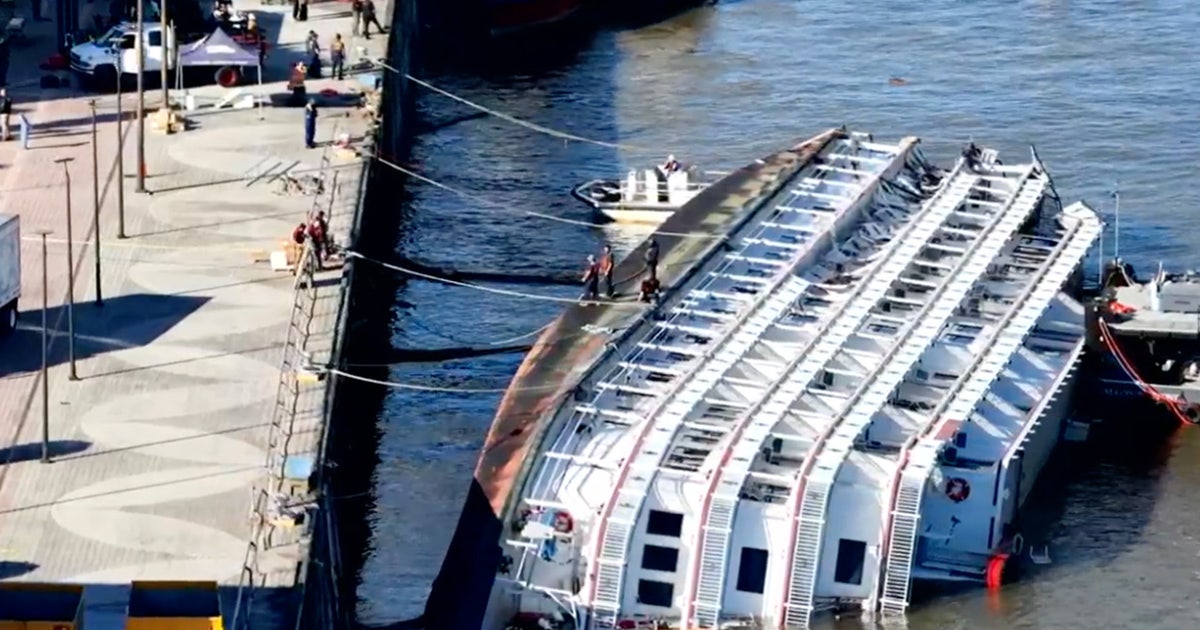
On November 13, 2026, just after midday, the 525-foot Atlantic Asphalt reportedly lost steering control as it approached the Thalia Street Terminal. Unable to correct course, the tanker collided forcefully with the American Heritage, a river cruise ship operated by American Cruise Lines. The cruise ship, moored and boarding passengers at the time, was struck by the tanker and capsized, partially sinking in the river’s current. All 180 passengers and crew on board were ultimately rescued, according to reporting from the Associated Press and local outlets.
While the collision resulted in no fatalities, the chaos of the incident was underscored by the 32 people—passengers and two responding police officers—who were hospitalized after plunging into the Mississippi. Most injuries were non-life-threatening, and all were expected to recover. Nevertheless, the partial sinking of the riverboat and the large-scale rescue operation have raised serious questions about river navigation and vessel safety on this busy waterway.
In the immediate aftermath, the Port of New Orleans moved quickly, filing its lawsuit in federal court just hours after the collision. The suit alleges negligence by the owners and managers of the Atlantic Asphalt and seeks compensation not only for the substantial damage to the Thalia Street Terminal, but also for related recovery and operational costs. Federal authorities, acting on a judicial warrant, then authorized the seizure of the tanker as evidence and security for any potential damages, as confirmed by court records cited in regional and national reporting. The tanker has since been towed from the collision scene and remains anchored at the Perry Street Wharf on the riverside.
The American Heritage, meanwhile, lies capsized and partially submerged near where the collision occurred. Salvage experts anticipate it will be several weeks before the vessel can be safely removed, with the full extent of damage yet to be calculated.
The cause of the Atlantic Asphalt‘s loss of steering remains the central question for investigators. The National Transportation Safety Board has launched an inquiry, recovering the tanker’s voyage data recorder as part of its standard protocol. Preliminary findings are expected within a month, but a full accounting of what happened—including whether mechanical failure or human error was to blame—could take up to two years.
As the lawsuits proceed and investigators gather forensic evidence, the Mississippi River accident is already being viewed as a test for safety procedures at one of the Gulf Coast’s busiest ports. For the Port of New Orleans, the incident carries both immediate financial stakes and longer-term questions about infrastructure resilience and the protocols required to prevent similar near-catastrophes in the future.