
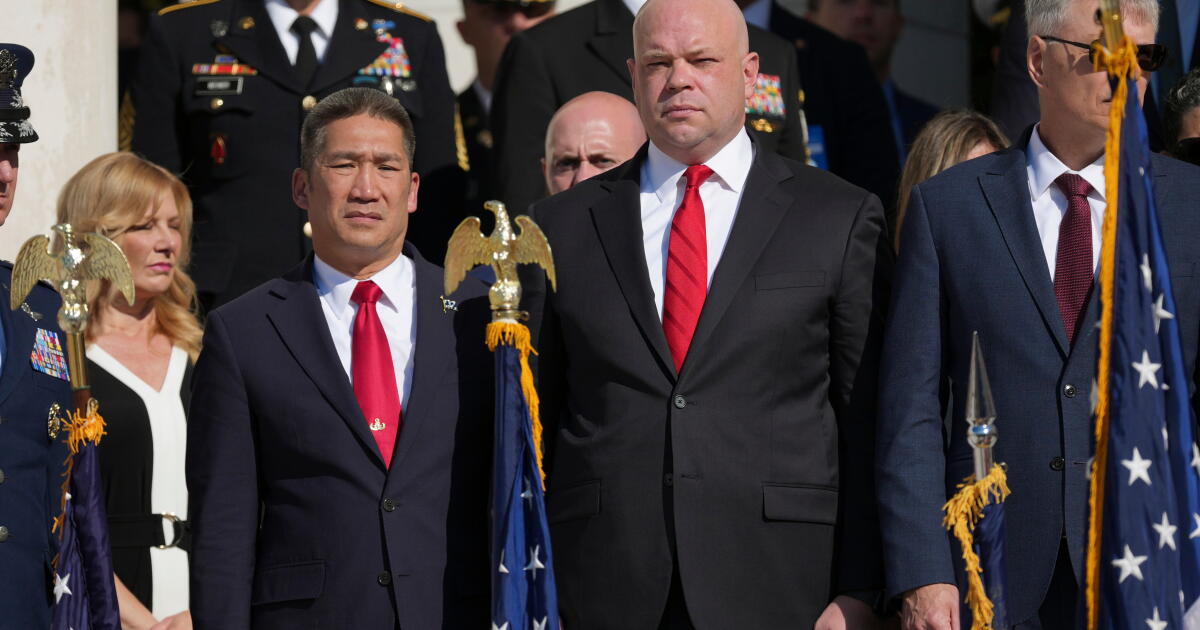
At a tense Senate Armed Services Committee hearing in Washington, D.C. on November 17, 2026, acting Navy Secretary Hung Cao publicly confirmed that the U.S. Navy is under acute strain as a result of the prolonged conflict with Iran. Cao’s statements mark the most direct official acknowledgment to date of the operational and fiscal toll stemming from America’s military operations in the Persian Gulf region.
Testifying before lawmakers as part of his nomination process to become permanent Secretary of the Navy, Cao outlined the dramatic impact the ongoing hostilities have had on sailors and resources. “The pressures facing our crews and ships are historic,” Cao admitted, pointing to extended deployments, mental health crises, and worsening living conditions aboard vessels forced to remain at sea for months on end. Reports of crew stress and inadequate food supplies have reached the committee and advocacy groups in recent weeks.
Financially, the costs are relentless. Keeping the blockade on Iranian shipping operations is estimated at $32.5 million per day, according to Cao’s prepared remarks—an expense compounded by at least $400 million in damages inflicted on the Navy’s Bahrain regional headquarters by Iranian strikes this year. Weapon stockpile depletion has become so severe that the Navy is increasingly reliant on older, even expired, munitions: some Tomahawk cruise missiles past their service life have been recoded and pressed into duty to meet operational needs.
These admissions arrive as Congress considers expanding its oversight of military strategy and resource allocation amid rising bipartisan concern about U.S. readiness, particularly in relation to potential confrontations with China. Cao noted that much of the Navy’s attention and capacity has shifted to supporting operations against Iran, deprioritizing other threats in the Indo-Pacific. “The diversion of ships, personnel, and munitions has a direct effect on our ability to deter adversaries elsewhere,” he said.
The hearing also touched on the leadership challenges plaguing the Navy. Lawmakers pressed Cao about the dismissal of commanders, including the removal of the entire leadership team of a nuclear-powered attack submarine following an underwater accident. Cao defended the Navy’s internal handling of these cases, stating that publicizing details would risk harming officers’ long-term careers.
President Trump nominated Cao for Navy Secretary in September, but his confirmation requires a congressional waiver since he recently left active duty service. As his nomination proceeds, policymakers are intensifying scrutiny over the Navy’s future trajectory and confronting hard questions about the sustainability of current operations. The administration’s broader approach to ending or modifying the Iran conflict remains uncertain, as debates over strategy and accountability escalate on Capitol Hill.
The strains described in Cao’s remarks present a sobering reality for U.S. military planners. With no clear resolution to the Iran war in sight, the Navy faces continued operational pressure and a growing deficit in weaponry and personnel wellbeing—factors likely to fuel further debate in Washington over American priorities and alliances abroad.