
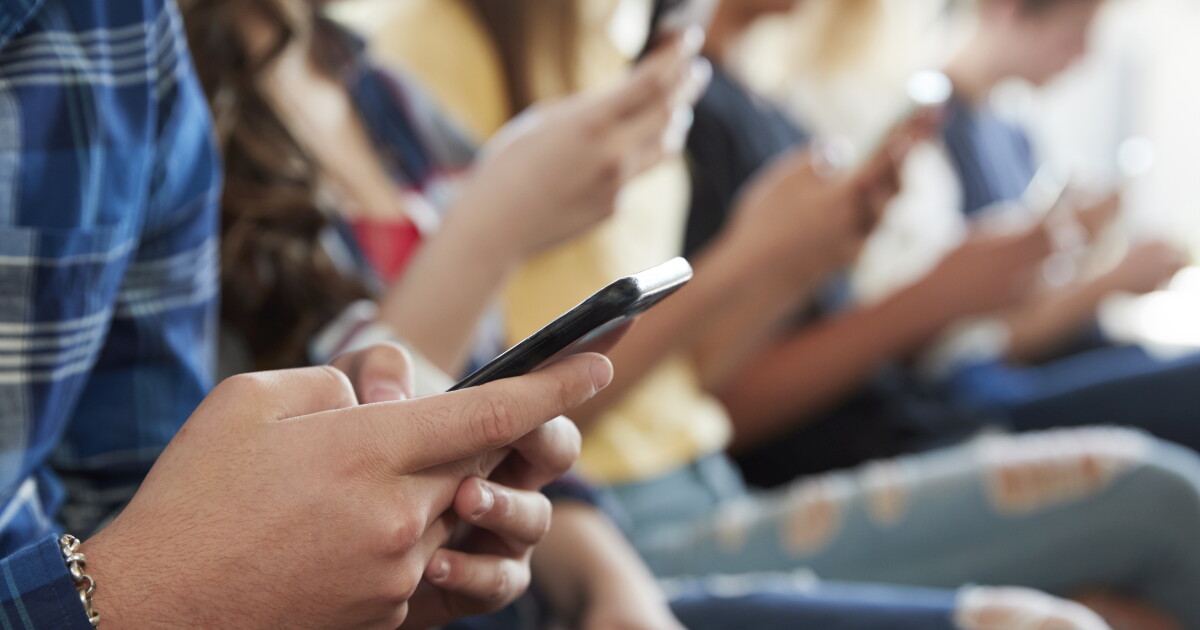
When the Los Angeles Unified School District (LAUSD) instituted its sweeping ban on cellphone use during the school day in February 2025, it became one of the country’s most high-profile experiments in scaling back student technology in classrooms. Nearly two years and over $6 million later, the district is gathering mixed feedback on the results—and facing ongoing questions about the best path forward for America’s second-largest public school system.
The policy, greenlit by the school board in June 2024 and required statewide by California’s new Phone-Free School Act, restricts student smartphone use not just during class, but also in hallways and at lunch. District leadership cited the mounting evidence of digital distractions, bullying, and mental health harm among youth as central reasons for the ban. LAUSD backed its new approach with a $7 million allocation—spending some $5.4 million on Yondr pouches for securing phones and nearly $1 million more on storage solutions like lockers.
Staff surveys from spring 2026 show that implementation is widespread but not uniform: Middle school educators say about two-thirds of students follow the rules, while high school staff estimate closer to just over half. The district’s approach ranges from providing locking pouches to relying on the “honor system,” and some students skirt restrictions by finding creative workarounds to keep phones accessible.
Many teachers report noticeable improvements in classroom focus. Elizabeth Ruff, a Garfield High School English teacher, described a marked drop in distractions as students are less tempted to disengage from instruction. “It’s a big difference in terms of [students’] ability and willingness to focus on whatever we’re doing in class,” she observed. Yet, for every student who concedes the ban has helped them engage more, others remain ambivalent or openly defiant.
Student reactions remain divided. Some, like King/Drew Magnet High School senior Myson Thomas, rarely use their phones in school regardless of the ban and welcome a focus on learning. Others, such as a Sherman Oaks Center for Enriched Studies student, find the policy “really, really annoying” and believe it only alters how students attempt to conceal their devices.
While anecdotal feedback suggests better attention in classrooms, LAUSD’s own data stops short of showing a direct boost to academic success or attendance rates. The longer-term effects on behavior, mental health, and school culture are still being studied, and the district continues to survey parents, students, and teachers for guidance on future adjustments.
The context of LAUSD’s policy—ahead of the July 2026 statewide smartphone restriction deadline—underscores a growing movement in California schools to address tech-driven challenges. But as LAUSD refines its approach and weighs adjustment based on ongoing community input, the experiment’s full legacy remains uncertain. The next few years will be crucial in determining whether these costly restrictions can translate into lasting educational or social benefits for Los Angeles students.