
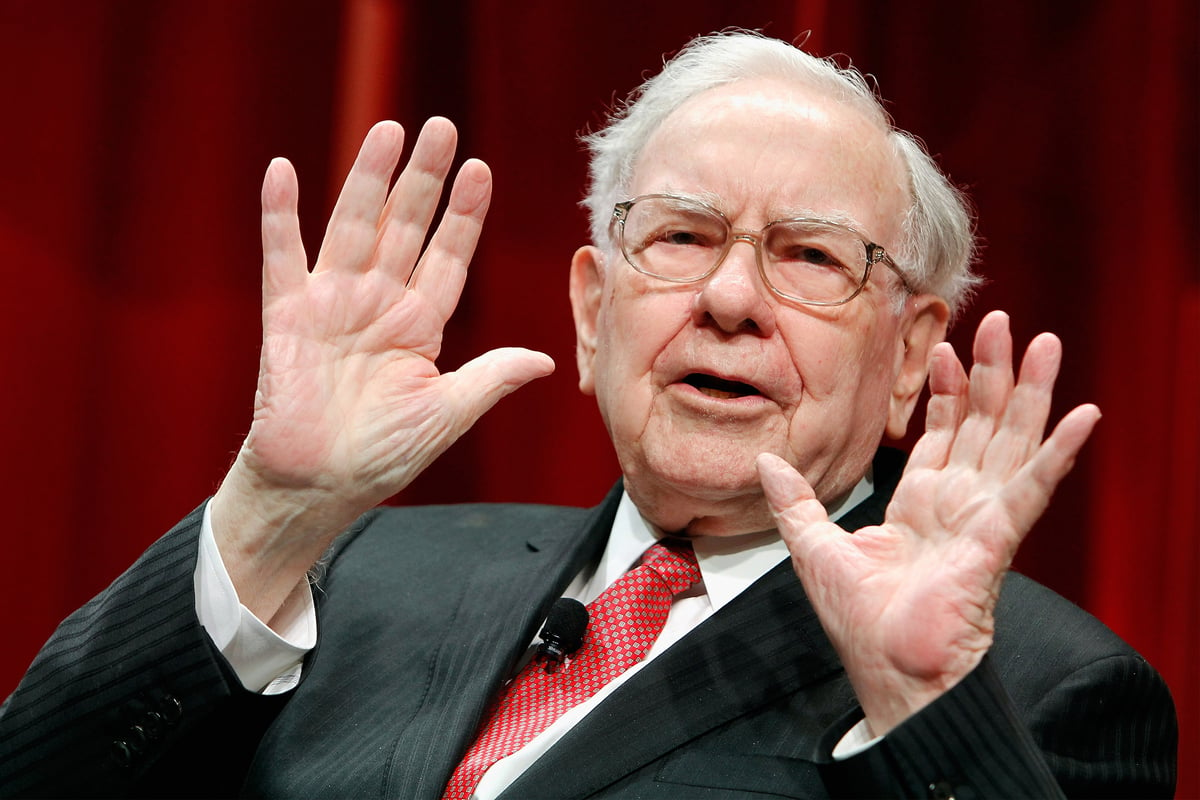
As U.S. stock markets notched their sharpest tumble of 2026 on November 20th—with the S&P 500 down 3.7% and the Nasdaq Composite plunging 5.3%—the echo of Warren Buffett’s signature investment wisdom is not lost on Wall Street’s shaken ranks. The day’s carnage came amid deepening skepticism about AI companies’ sky-high valuations, punctuated by the abrupt resignation of Nvidia CEO Jensen Huang and a dramatic sell-off in key AI players.
This latest rout rekindles debate over market timing versus long-term discipline. Many investors, haunted by parallels to past bubbles, drew anxious comparisons to the collapse of speculative tech in decades prior. Buffeted by shifting sentiment, surveys show a pronounced uptick in bearish outlooks amid growing unease about rising interest rates and the sustainability of the AI boom. (Fool.com)
Yet, for the Oracle of Omaha, times like these are precisely when discipline pays off. Reminding the investing public of advice he has consistently delivered through crises—from the 2008 crash to more recent shocks—Buffett stresses the enduring value of buying and holding robust companies, voicing his famous refrain: “Be greedy when others are fearful.” (Fool.com) He urges investors to see volatility not as a signal to panic but as an opportunity to accumulate shares in businesses with durable competitive advantages and strong fundamentals.
Buffett’s own actions—including Berkshire Hathaway’s reduction of $426 million in equity holdings during the third quarter and the repurchase of $9.6 billion of its own stock—demonstrate a mix of caution and conviction. With Berkshire sitting on over $380 billion in cash and short-term Treasuries as of September, the company appears ready to act but patient for opportunities that meet its strict standards. (Kiplinger, Ravenmaster.net)
Across investment circles, experts echo Buffett’s warnings against market timing—the often-futile attempt to predict short-term swings—and underscore historical data showing long-term positive returns even after brutal setbacks. Over rolling 20-year periods, the S&P 500 has delivered positive returns, reinforcing the wisdom of maintaining a steady hand. (Fool.com)
For individual investors, the message is clear: turbulent markets are not a call to liquidate but a press to refocus on fundamentals. By emphasizing patience, quality, and a long horizon, Buffett’s investing principles offer orientation as the market resets expectations for AI and the next chapter of American business.
Although pain from this November sell-off is real, seasoned voices remind investors that discipline, not reaction, has historically proved the better bet when markets lose their nerve.