
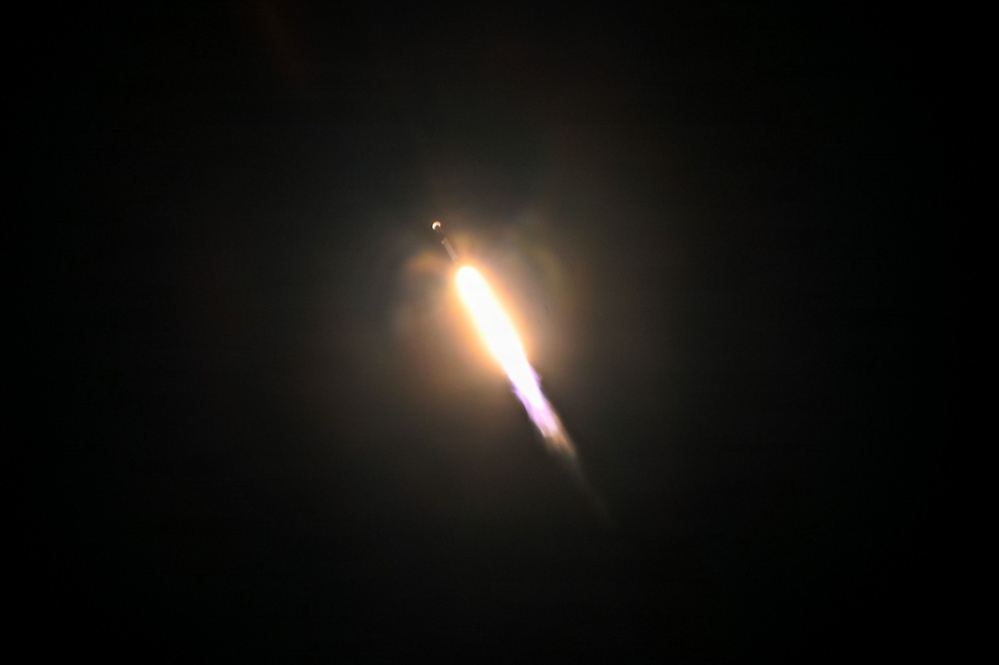
Vandenberg Space Force Base in California reached a new operational high on November 20, 2026, supporting its 77th launch of the year—a notable sign of the site’s accelerating pace in national security and commercial spaceflight. The mission, designated USSF-317, saw a SpaceX Falcon 9 rocket lift off from Space Launch Complex 4 East. Although the payload’s nature is classified, the launch highlights ongoing strategic priorities for the U.S. Space Force and the expanding capabilities of SpaceX as a launch provider.
Space Launch Delta 30, the base’s support unit, provided critical range and safety operations for the mission. The frequent use of Vandenberg as a launch site responds to the increased demand for assured U.S. access to space from the West Coast, with military payloads becoming a regular fixture alongside commercial satellites. Official sources attribute the volume and complexity of launches this year to advances in reusability, operational tempo, and expanded federal space initiatives. The 2026 count also reflects a broader nationwide trend, as SpaceX approaches or surpasses 82 planned launches this year, with targets rising for subsequent years.
The high launch cadence represents a ramp-up not only for local infrastructure and personnel but also for national policy-makers and commercial partners. Federal records indicate that Vandenberg’s role in U.S. space operations—traditionally centered on polar orbits and military contracts—has broadened with environmental reviews and new partnerships, including FAA’s recent approval for commercial vehicles like the Dream Chaser space plane to operate from the base beginning in 2027. This evolving mission set places additional environmental, logistical, and regulatory focus on the site.
No specifics on the payload or immediate objectives of USSF-317 have been released, in line with established security protocols for national defense launches. Past launches with such classification have historically supported a variety of reconnaissance, communications, or missile warning systems, but officials neither confirm nor comment on these missions’ exact nature. Meanwhile, the precise count for Vandenberg launches in 2026 is subject to some reporting variation, with some official sources referring to this as the 77th launch and others placing it as the 78th, possibly reflecting differing enumeration of suborbital or test flights versus full orbital missions.
Vandenberg’s robust 2026 pace is set to continue, with additional launches such as NROL-136 scheduled in the coming weeks. The broader context is one of expanding space access and rapid advancements in U.S. launch infrastructure, as public and private players collaborate to meet evolving national and commercial priorities. The latest milestone ultimately underscores Vandenberg’s enduring significance in the modern era of American space operations.