
An era defined by digital convenience collided with an uneasy sense of vulnerability this November, as a series of major technology outages rippled across the United States and exposed the fragility of systems central to American life. The cascading technical failures, which struck between November 12 and November 17, 2026, disrupted everything from bank transactions and air travel to day-to-day communications—prompting a sharp, nearly overnight rise in Americans’ purchase of emergency survival products.
Widespread Disruptions, Public Jitters
The wave began with Microsoft services, as users in dozens of countries—including millions across the United States—lost access to key communication tools like Outlook and Teams on November 12. Soon after, the Federal Aviation Administration implemented a nationwide ground stop that idled flights for several hours on November 13, citing system malfunctions. Financial institutions were not spared: JPMorgan Chase and several other major banks reported widespread online delays on November 16, linked to a software issue. The following day, Apple acknowledged service disruptions that hindered access to signature products like iCloud and Apple Pay.
Official statements from affected companies attributed the events to technical errors, unexpected loads, or internal software bugs. Government officials responded to escalating speculation—much of it on social media—that the outages represented cyberattacks or coordinated sabotage. These claims were dismissed, though experts cited by independent outlets noted that the string of disruptions might point to underlying weaknesses in rapidly modernizing digital infrastructure.
Panic Buying and Retail Rushes
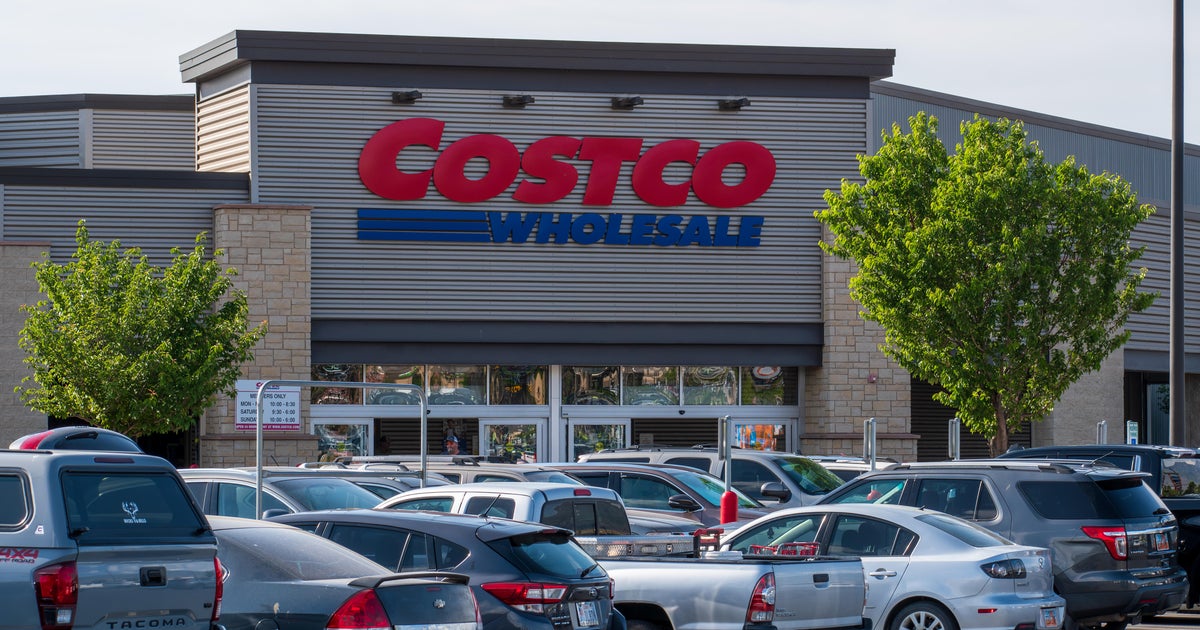
The outages triggered a tangible shift in consumer behavior, with Americans quickly seeking physical assurance against digital uncertainty. According to reporting from WOL.com, sales of emergency preparedness supplies soared approximately 400% compared to the same period in 2025. Major retailers like Costco and Walmart experienced surges in purchases of generators, bottled water, and camping gear as shoppers braced for further disruptions (CBS News). Ready America, a leading survival-kit supplier, reportedly saw its online sales multiply fivefold and instructed its partners to ramp up their production lines to avoid shortages.
Such activity underscores how closely American households now track national digital stability—and how quickly public concern turns to concrete action when that stability appears threatened.
Concerns, Context, and Unresolved Questions
While both industry and federal authorities continue to recover services and investigate root causes, questions remain. Neither security flaws nor malicious threats have been definitively ruled out, but the unprecedented concentration of technical failures has already changed consumer and corporate calculations. Emergency preparedness, once associated mainly with natural disasters or geopolitical threats, is now in high demand as citizens seek insulation from the vulnerabilities of their connected world.
With recovery efforts ongoing and the true origins of this turbulent week still under scrutiny, the November 2026 outages have left a residual unease—fueling calls for both improved technological safeguards and a new national mindset about digital dependency.