
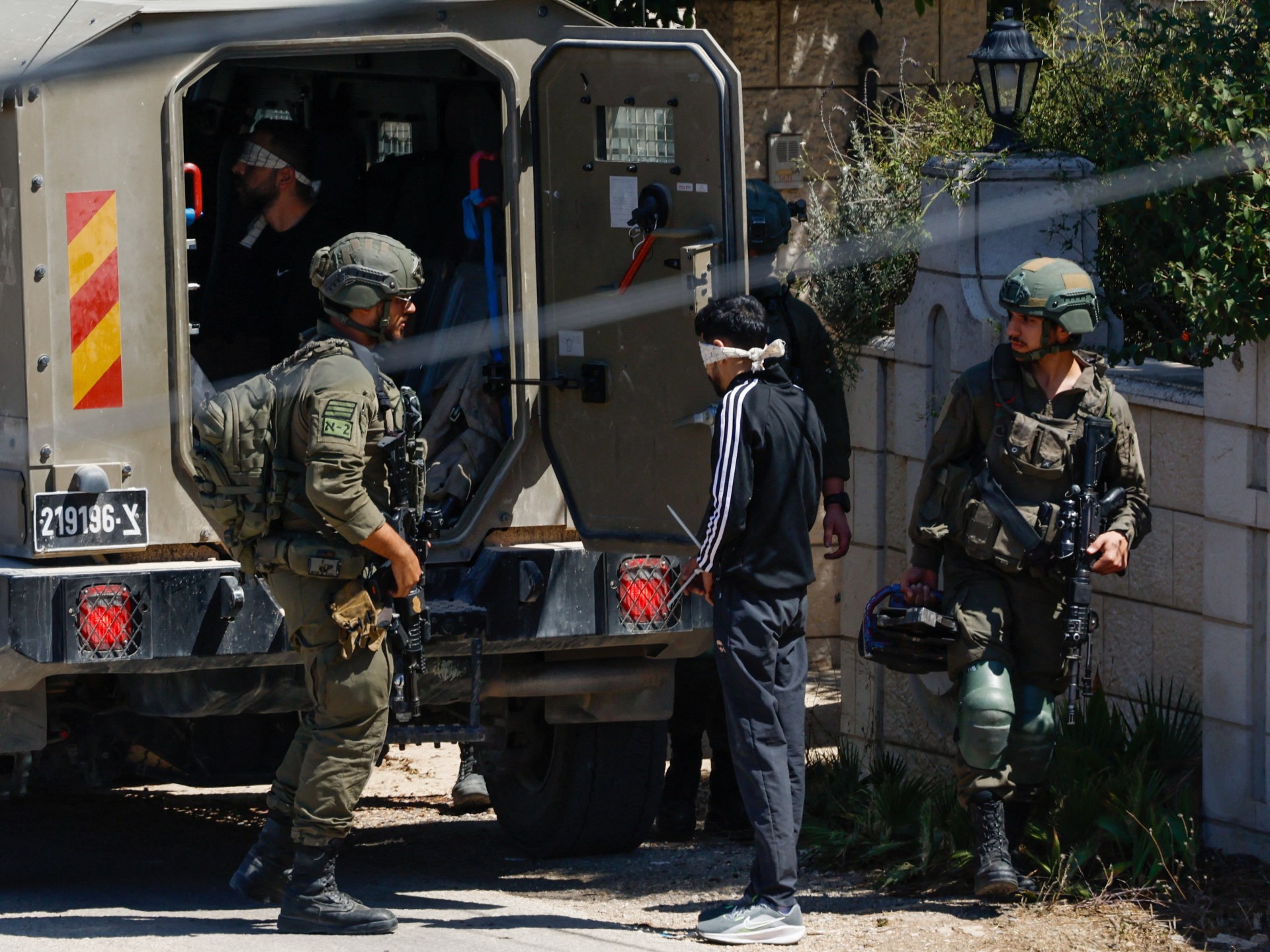
On November 14, 2026, a new round of Israeli military raids swept through communities in the occupied West Bank, further intensifying a cycle of unrest that has roiled the region since the renewal of fighting in Gaza nearly three years ago. Israeli armed forces moved into various neighborhoods in and around the northern city of Nablus, targeting several locales including the Balata, Askar, and Ein Beit al-Ma’ refugee camps, resulting in the detainment of at least 10 Palestinians, among them a woman.
Witness accounts reported by regional news outlets described Israeli military vehicles entering Nablus overnight. In the city’s eastern sector, soldiers reportedly evacuated a private home and converted it into a temporary military post. The operations involved searches, arrests, and restrictions on local movement; in Balata refugee camp and nearby Balata al-Balad, young men were reportedly beaten during arrest sweeps, with several sustaining injuries.
The operations forced the closure of some local businesses and disrupted schools as people in affected neighborhoods were ordered to stay indoors or faced temporary curfews. The broader context includes a marked increase in military and settler activity across the West Bank since the outbreak of war in Gaza in October 2023, punctuated by repeated house demolitions and the destruction of farmlands reported by international observers.
International reaction has grown more critical as incidents mount. While the Israeli military has not commented publicly on the specific reasons for the latest arrests, Egypt condemned a recent Israeli airstrike in Gaza that targeted a medical facility, and the United Nations human rights office has renewed warnings about the risk of collective punishment and potential ethnic cleansing in occupied territories. The United Nations cited the ongoing displacement of Palestinian civilians and systematic destruction of civilian infrastructure in both Gaza and the West Bank as grave sources of concern.
The immediate aftermath of the November 14 raids leaves the Nablus region shaken and uncertainty hovering over daily life. Although the Israeli authorities stated that such operations target individuals suspected of security-related offenses, the lack of detailed disclosure feeds continuing anxiety among Palestinian residents. With daily life further strained by military and settler activity, calls for restraint and respect for international humanitarian law have been amplified by international and humanitarian organizations monitoring the unfolding crisis.
As the situation evolves, observers note that the risk of escalation into broader violence remains significant, especially in the context of continued armed operations and the legacy of prior conflicts. As of now, the raids’ full impact on the Nablus region and its residents cannot be entirely assessed, but fears of further disruptions and possible casualties persist throughout the West Bank.