
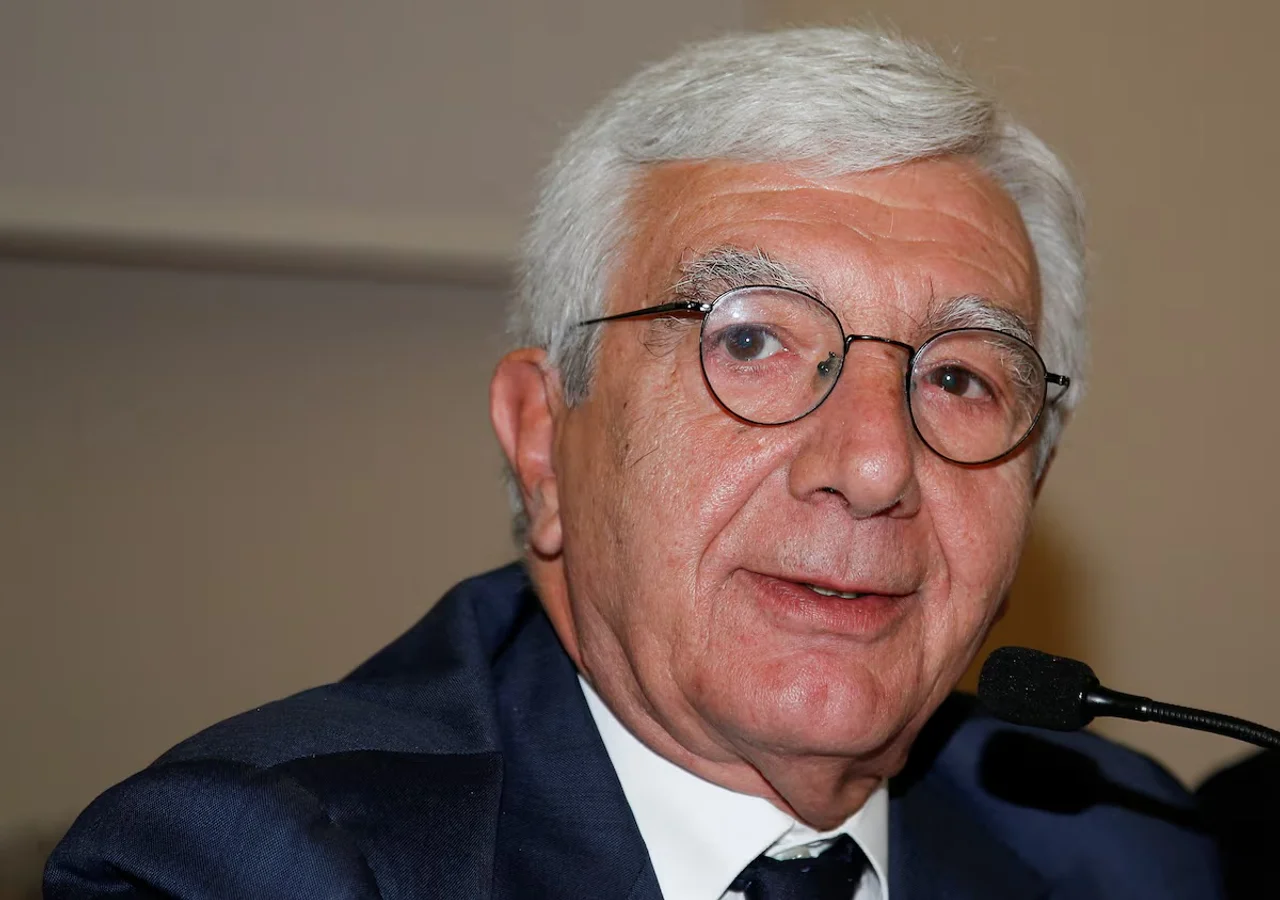
Gianni De Gennaro, once hailed as Italy’s leading law enforcement figure in the nation’s struggle against organized crime, was found dead in his Tuscan home on November 21, 2026. Authorities say the 78-year-old former national police chief died in an apparent suicide, though investigations are ongoing as questions persist about the circumstances of his death and the ongoing criminal probe that surrounded him.
De Gennaro’s passing comes at a moment of legal and political turbulence. For months he had been at the center of a judicial inquiry led by prosecutors in Caltanissetta, Sicily. The probe focused on alleged obstruction of justice in the investigation into the 1992 Via D’Amelio bombing in Palermo—a pivotal event in Italy’s history, which saw the assassination of anti-mafia judge Paolo Borsellino and five escorting police officers. Prosecutors had recently moved to place De Gennaro under house arrest, but a Sicilian judge rejected the request; an appeal remained pending at the time of his death.
Italian media report that De Gennaro was discovered at his country house in Montiano after family grew concerned at being unable to reach him. Initial accounts suggest a self-inflicted gunshot wound, but officials have stressed that the investigation is preliminary, with an autopsy planned to clarify the exact circumstances. While some outlets have floated speculation about alternate causes, there has been no official corroboration of these claims. The Caltanissetta Prosecutor’s Office, which was conducting the probe into alleged obstruction, has said its inquiry will continue following De Gennaro’s death.
De Gennaro rose to national prominence during the 1980s and 1990s, working with figures such as the venerable anti-mafia judge Giovanni Falcone. He served as Italy’s national police chief from 2000 to 2007, during which time he oversaw major initiatives against organized crime. His career also included helping arrange the extradition of mafia informant Tommaso Buscetta from Brazil, a turning point in law enforcement’s fight against the Sicilian mafia.
News of De Gennaro’s death sparked reactions at the highest levels of Italian government. Prime Minister Giorgia Meloni expressed deep sorrow, calling him a dedicated public servant and admiring his “sense of duty and unwavering commitment to state institutions.” The investigation into the Via D’Amelio case and broader anti-mafia efforts continue, with De Gennaro’s legacy now shadowed by both his decades of public service and the unresolved legal questions that trailed him into his final days.
As the Italian justice system presses forward on both the Via D’Amelio probe and the circumstances surrounding De Gennaro’s death, the case underlines the complexities and personal costs in the nation’s long struggle with organized crime and the demands placed on those who serve on its front lines.