
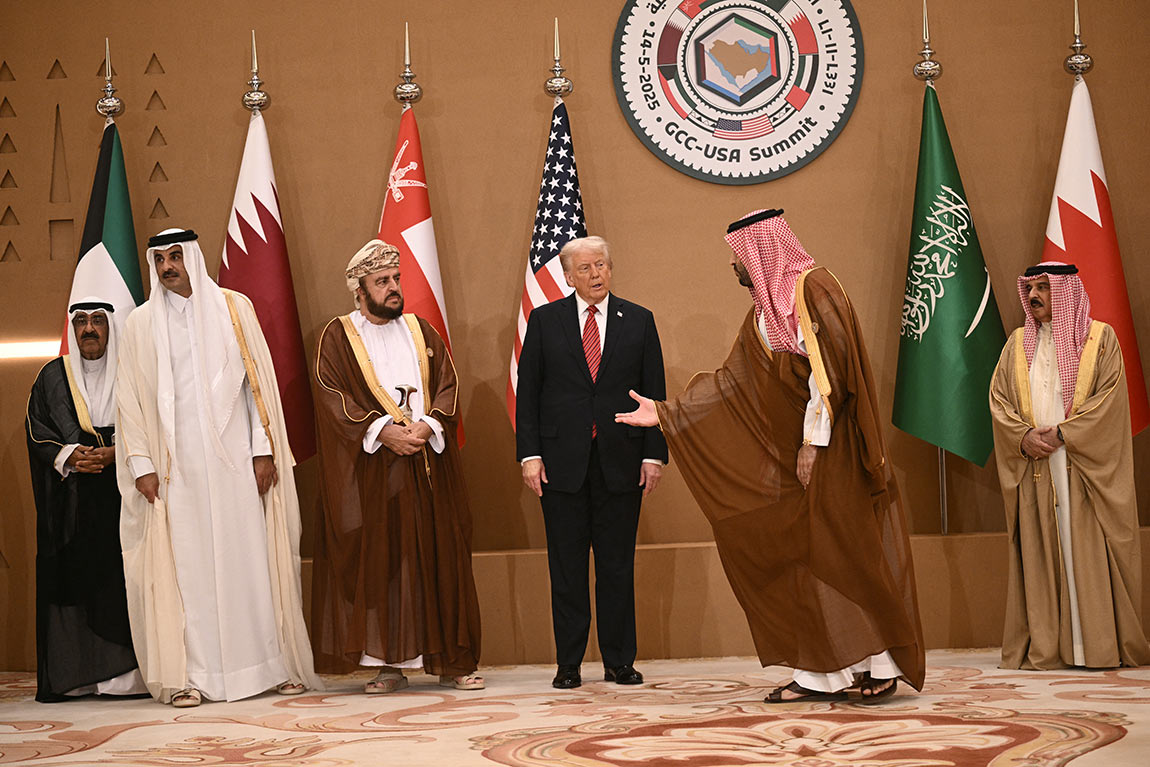
For the first time since the early Biden administration, Democrats now control both the House of Representatives and the Senate, following November’s midterm elections. This clear Democratic majority is poised to influence the trajectory of U.S. relations with Gulf Cooperation Council (GCC) countries, an alliance that has shaped the geopolitics of the Middle East for decades.
The United States’ security partnership with Gulf states—rooted in military cooperation, energy trade, and regional stability—faces a period of heightened legislative oversight and possible policy recalibration. According to analysis from the Council on Foreign Relations and the Observer Research Foundation, the Democratic Party has long advocated for holding Gulf partners to account on human rights, with House and Senate members frequently challenging major arms sales and military aid packages on these grounds.
Democratic lawmakers are now expected to push for greater scrutiny on U.S. weapons exports to countries such as Saudi Arabia and the United Arab Emirates. Experts at the Arab Center Washington DC note that with legislative clout, Congress could impose tighter controls or force the administration to re-examine standing agreements. The oversight may not translate to immediate, sweeping changes, but the tone from Capitol Hill is likely to be more confrontational on issues of human rights and military involvement than during previous Republican majorities.
Nevertheless, analysts caution that fundamental U.S. interests in the Gulf—including safeguarding energy markets and countering adversarial regional influence—are likely to ensure continued cooperation. Observers from The National and the Carnegie Endowment for International Peace emphasize that any policy shifts will be gradual, reflecting pragmatic considerations and the institutional weight of security commitments. Democratic committee leadership, however, is expected to launch new investigations into the legacy of the Trump administration’s regional policy, particularly regarding the 2020s’ escalation with Iran and past arms transfers.
Gulf states, for their part, have responded with cautious pragmatism. Diplomatic contacts with both Democratic and Republican figures have increased as leaders signal their interest in sustaining strong ties regardless of partisan shifts in Washington. Stakeholders across the region are closely monitoring committee appointments and early statements from Congressional leaders for signs of concrete changes.
As of November 22, the new Congress is still in the process of being seated and policy proposals are in their formative stages. The extent to which Democratic priorities—ranging from human rights advocacy to arms oversight—will reshape U.S.–Gulf relationships remains subject to negotiation between Congress and the executive branch. Some analysts predict a period of tension and adjustment, while others forecast broad continuity anchored by mutual strategic interests. For now, industry experts and regional partners are bracing for a potentially more assertive legislative posture, with the global implications for energy, security, and diplomacy yet to be fully mapped out.