
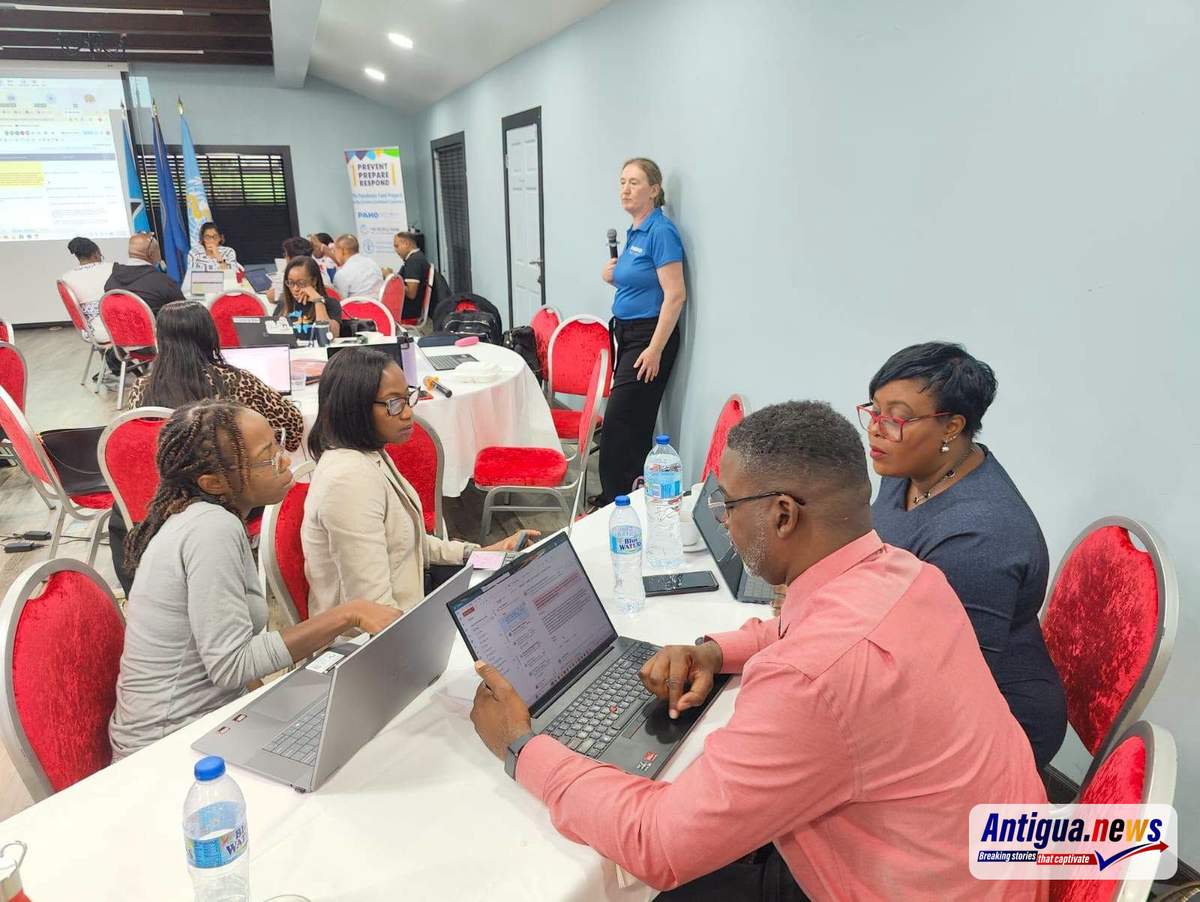
In an era marked by the rapid emergence and spread of infectious diseases, Antigua and Barbuda has accelerated its public health modernization campaign with a series of new initiatives aimed at enhancing disease surveillance, vector control, and emergency response.
Regional Commitment and Training
From November 16–20, 2026, local health officials joined two major workshops in Saint Lucia targeting improved surveillance and emergency preparedness throughout the Eastern Caribbean. Training focused on using the Quick and Immediate Risk Assessment (QIRA) algorithm—developed by the Pan American Health Organization and World Health Organization—to help authorities assess and respond to outbreaks more rapidly. Officials also addressed expanding digital health capabilities and robust laboratory systems to more quickly identify and trace infectious threats.
Strengthened Mosquito Surveillance and Control
On November 21, 2026, the Ministry of Health announced a major upgrade to Antigua and Barbuda’s mosquito control arsenal. Supported by the OECS Commission and Direct Relief, the Central Board of Health’s Vector Control Unit has received new foggers, sprayers, and traps. A rollout of Geographic Information Systems (GIS) for mosquito mapping, along with advanced data visualization tools and specialized personnel training, aims to tighten surveillance against mosquito-borne illnesses such as dengue, Zika, and yellow fever. Health authorities noted that, as of January 2026, no outbreaks or abnormal increases in such diseases have been detected, and national monitoring will continue.
Border Health Overhaul and Emergency Medical Expansion
Seeking to shield the nation from external health threats, the Cabinet approved a restructuring of border health systems in late October. This program integrates traditional port health, environmental health, and response functions under unified management at airports, seaports, and harbors, raising the nation’s readiness to screen and contain infectious entrants, especially amid rising global alerts for Ebola, hantavirus, and malaria. In connection with this, a National Epidemiologist was appointed to reinforce disease tracking and outbreak response capabilities.
On November 11, emergency response received a boost with two new ambulances joining the Antigua and Barbuda Emergency Medical Services fleet, targeting better response times and capacity for pre-hospital care. These assets, the Ministry says, are part of a broader campaign to modernize and expand the nation’s health safety net for both residents and the tourism-dependent economy.
Early Warning and Interagency Coordination
Ahead of possible climate or health disasters, Antigua and Barbuda launched a five-year, US$12.3 million ‘Early Warnings for All’ project in May, funded by the Green Climate Fund and managed in partnership with UNDP. The project will improve weather and disaster prediction, integrating meteorological data with health alerts to inform rapid response. That same month, border screening intensified, and infection prevention at entry points and health facilities was bolstered due to global Ebola concerns. In June, the nation’s interagency meeting on Ebola and emerging threats reaffirmed the island’s whole-of-government response strategy.
Through these initiatives, Antigua and Barbuda is working to position itself as a regional leader in disease surveillance and emergency health management, building a resilient infrastructure designed to meet both current and future health challenges.